
0%

China has become an important manufacturing base for computer vision assistive devices. Its suppliers serve users with visual, reading, mobility, and communication needs. This guide introduces ten notable companies connected with this growing field.

The selection considers product design, technical capability, manufacturing experience, and support quality. It also examines device functions such as text recognition, object identification, scene description, and obstacle alerts. Some products use wearable cameras, while others rely on handheld scanners or smartphone applications. A small camera may read a medicine label aloud. A compact sensor can identify a doorway, cup, or pedestrian crossing. These details matter in everyday use.

Performance is only one part of a responsible assessment. Reliable suppliers should explain detection limits, data handling, warranty terms, and software updates. They should also provide clear user instructions and practical customer support. Testing evidence, quality management, accessibility feedback, and relevant market compliance deserve careful review. No ranking is perfect. Public information may be incomplete, and product capabilities can change after publication. Buyers should verify specifications directly with each supplier.

The ten companies discussed here are not presented as identical choices. Each may fit a different setting, budget, or user requirement. Hospitals may value integration and documentation. Individuals may prefer simple controls and lightweight design. Families often need dependable support after purchase. Real experience remains essential. A polished demonstration does not always reflect daily performance. This overview therefore aims to support informed comparison, not replace professional evaluation or user testing.
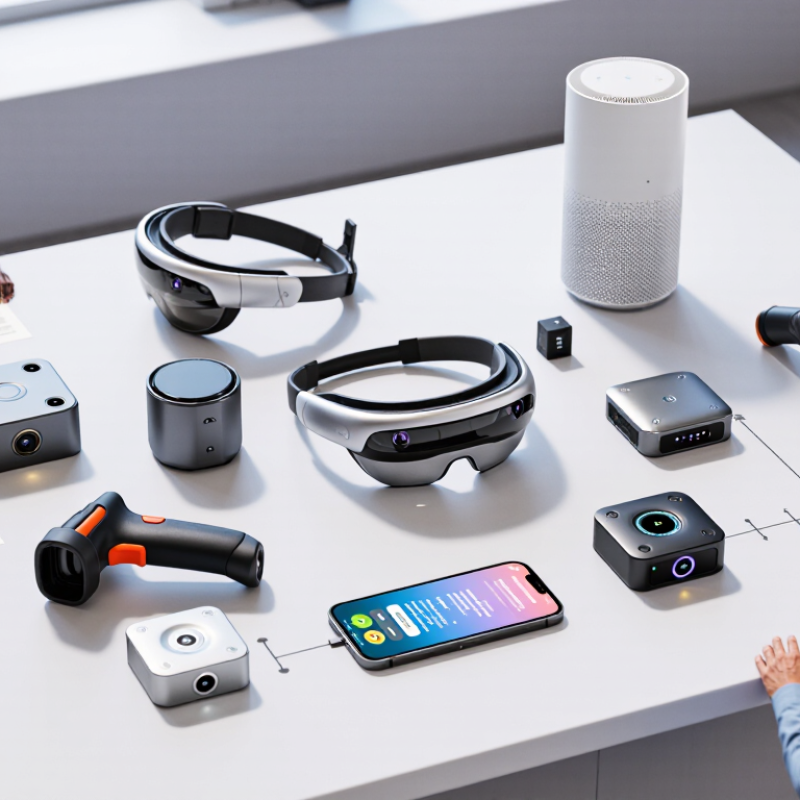
China Top 10 Computer Vision Assistive Devices Suppliers

Definition and Scope of Computer Vision Assistive Devices

Computer vision assistive devices combine cameras, image-processing software, and accessible feedback to support people with visual, cognitive, or mobility-related needs. They interpret scenes, text, objects, faces, or movement, then deliver information through speech, vibration, enlarged images, or high-contrast displays. The device must improve functional independence. A camera alone is not assistive technology.

The scope includes wearable readers, smart navigation aids, object-recognition tools, accessible kiosks, and vision-based mobility systems. It also covers embedded modules used in wheelchairs, rehabilitation equipment, and home-care devices. However, ordinary surveillance cameras and general photography products should not qualify without a clear accessibility purpose. This boundary is often blurred. Suppliers should explain the intended users, operating environment, feedback method, and human oversight.

The World Health Organization’s Global Report on Assistive Technology (2022) estimates that more than 2.5 billion people need at least one assistive product. This figure may exceed 3.5 billion by 2050. Those numbers reveal a large but demanding market. In practice, performance depends on lighting, language, skin tones, mobility patterns, and internet access. Laboratory accuracy can look impressive. Real streets are less cooperative. Evaluation should therefore include error rates, battery endurance, privacy protection, repair access, and user trials. Standards such as ISO 9999 can support classification, but they do not replace local clinical validation or lived experience.

Selection Criteria for China’s Leading Suppliers

Selection Criteria for China’s Leading Suppliers

When evaluating China’s computer vision assistive device suppliers, start with verified manufacturing experience. Review product records, engineering staff, and documented quality procedures. Do not rely on showroom demonstrations alone. Ask for a live trial using dim corridors, reflective floors, crowded entrances, and common household objects. Factory visits can reveal practical details, such as calibration stations, spare-part storage, and final inspection routines. Photographs are not enough.

Technical capability must match real user needs. Assess image recognition accuracy, response time, battery endurance, voice guidance, and offline performance. A useful device should identify obstacles without producing constant false alerts. Check whether users can adjust volume, language, mounting position, and sensitivity. Suppliers should explain how training data is collected, protected, and updated. Clear test reports matter. So does honest disclosure of limitations.

After-sales support separates serious suppliers from temporary sellers. Confirm repair procedures, replacement timelines, software maintenance, and staff training materials. Request sample manuals written in plain language. Speak with existing institutional customers when possible. A low quotation may conceal weak support. No scorecard is perfect. I would reserve points for comfort and dignity, because technical performance can overlook daily frustration. One small concern remains: supplier claims may change between meetings, so every important promise should appear in traceable documents and sample-based acceptance tests.

Top 10 Chinese Suppliers and Their Core Assistive Technologies

China’s assistive technology suppliers cover several practical computer vision applications. Their core products include smart glasses, OCR readers, navigation wearables, and camera-based rehabilitation tools. These devices can recognize printed text, detect obstacles, identify colors, and describe nearby objects through voice or vibration.

Supplier strength often depends on integration, not only hardware. Many manufacturers combine embedded cameras, edge processing, speech output, and mobile software. Some offer adjustable image contrast for low-vision users. Others provide indoor navigation using visual markers or depth sensors. In supplier evaluations, test results should include recognition accuracy, response time, battery life, and performance under weak lighting. A factory visit, sample trial, and documented quality process can reveal details that brochures omit. No device performs perfectly.

Tips: Request a live demonstration with unfamiliar text, crowded walkways, and reflective surfaces. Check language support, repair procedures, data protection, and software update policies. Ask whether key components are replaceable. A short pilot with real users is more reliable than a polished presentation. Also, confirm accessibility training for installers and caregivers. Small interface problems can become serious barriers.

Product Comparison by Function, Users, and Application Scenarios

China Top 10 Computer Vision Assistive Devices Suppliers

Product Comparison by Function, Users, and Application Scenarios

Computer vision assistive devices now serve distinct accessibility needs. The WHO Global Report on Assistive Technology (2022) estimates that more than 2.5 billion people need assistive products worldwide. That figure may exceed 3.5 billion by 2050.

For users with visual impairments, wearable readers can identify printed text, currency, faces, and nearby objects. Portable navigation devices focus on obstacle alerts and route guidance. Home users often prefer simple voice controls, while rehabilitation centers require adjustable settings and usage records.

Function should guide supplier comparison, not appearance. Text-recognition devices suit classrooms, offices, and pharmacies. Navigation aids fit crowded streets, transport stations, and unfamiliar buildings. Fixed vision terminals can support reception desks or care facilities.

Field testing matters here. A device may recognize a clean package perfectly, then fail under glare, rain, or handwritten labels. Small detail.

User comfort is equally important. Older adults may need large controls, loud audio, and fewer setup steps. Students may prioritize reading speed and language support. Care professionals may require remote configuration and secure data handling. The Global Ageing and Adult Health report highlights the growing need for accessible solutions as populations age.

Suppliers should therefore provide battery testing, offline functions, repair access, and clear privacy policies. I would not rank devices by artificial intelligence claims alone. Real performance varies. Independent trials remain necessary.

Purchasing Considerations and Future Industry Trends

When comparing China’s top ten computer vision assistive device suppliers, buyers need evidence beyond polished demonstrations. The WHO World Report on Vision estimates that at least 2.2 billion people experience near or distance vision impairment. Its 2022 Global Report on Assistive Technology says 2.5 billion people need assistive products today. That figure may exceed 3.5 billion by 2050. Request measured accuracy, response latency, battery endurance, and documented failure rates. Test devices in kitchens, buses, stairwells, and dim corridors. A camera can identify a doorway and still miss a low step.

Purchasing teams should examine offline operation, language coverage, privacy controls, repair access, and user training. Tactile controls and clear audio often matter more than another advertised algorithm. Ask for third-party testing, accessibility trials, and an update policy. Future products will likely combine edge AI with multimodal sensing. The Stanford AI Index 2024 reports a more than 280-fold fall in GPT-3.5-level inference costs between November 2022 and October 2023. Lower costs may support longer battery life and faster local feedback. Yet models remain imperfect with crowded scenes, accents, and unusual lighting.

Tips: Compare total ownership cost, not only the purchase price. Run a two-week pilot with older and younger users. Record missed alerts, false alarms, charging time, and repair delays. Keep results beside supplier claims.

China Top 10 Computer Vision Assistive Devices Suppliers: Purchasing Considerations and Future Industry Trends

Purchasing Priority Index for Computer Vision Assistive Devices

The 100-point index represents a practical buyer weighting model rather than company-specific performance. Product reliability, recognition accuracy, accessibility, after-sales support, data privacy, compatibility, and total cost are key evaluation areas. Future procurement is expected to place greater emphasis on AI accuracy, privacy protection, cloud connectivity, and integration with smartphones and wearable devices.

FAQS

How should buyers evaluate a computer vision assistive device supplier?

Review manufacturing records, engineering staff, and documented quality procedures. Showroom demonstrations are not enough. Visit the factory when possible. Check calibration stations, spare-part storage, and final inspections.

What conditions should a live product trial include?

Test the device in dim corridors, reflective floors, crowded entrances, and ordinary homes. Use unfamiliar printed text and common household objects. Real conditions reveal weaknesses.

Which technical features deserve close attention?

Check recognition accuracy, response time, battery endurance, voice guidance, and offline performance. The device should detect obstacles without constant false alerts. No device performs perfectly.

Can users adjust the device for personal needs?

Ask whether users can change volume, language, sensitivity, and mounting position. Adjustable image contrast may help people with limited vision. Small controls matter.

How should suppliers explain data protection?

Suppliers should describe how training data is collected, protected, and updated. Request clear test reports and written privacy procedures. Vague answers deserve caution.

What should buyers examine in after-sales support?

Confirm repair procedures, replacement timelines, software maintenance, and training materials. Request plain-language manuals for users, installers, and caregivers. Support can determine daily usability.

Is a low quotation a reliable sign of good value?

Not necessarily. A low price may hide weak repairs, delayed replacements, or poor training. Compare total support, comfort, battery life, and performance. Cheap is not always practical.

How can buyers verify supplier promises?

Put important promises into traceable documents and sample-based acceptance tests. Ask existing institutional customers about actual service. Claims may change between meetings.

Why should comfort and dignity affect supplier selection?

Technical scores can overlook daily frustration, awkward mounting, or unwanted voice alerts. Let real users complete a short pilot. Their feedback may challenge the evaluation.

Conclusion

This article presents a practical overview of computer vision assistive devices and their role in improving accessibility, independence, and safety for people with visual, mobility, or cognitive challenges. It first explains the technology’s scope, including visual recognition, object detection, text reading, scene understanding, and navigation support. It then establishes selection criteria for evaluating leading suppliers in China, such as technical reliability, product usability, software adaptability, manufacturing capability, after-sales service, data protection, and compliance with applicable regulations.

The article introduces ten representative Chinese suppliers and summarizes their core assistive technologies without focusing on brand promotion. It also compares products by function, target users, portability, operating environment, and application scenarios such as homes, schools, workplaces, healthcare settings, and public spaces. Finally, it outlines key purchasing considerations, including user needs, accessibility design, maintenance, connectivity, training, and total cost of ownership, while discussing future trends such as smarter edge processing, multimodal interaction, personalized assistance, and broader integration with inclusive public services.

Evelyn

Evelyn

Evelyn is a professional marketing specialist dedicated to helping customers better understand the company’s products, services, and industry expertise. With a strong background in market research, content strategy, and customer communication, Evelyn combines creative thinking with practical......