
Featured OEM/ODM Smart Spectacles Series
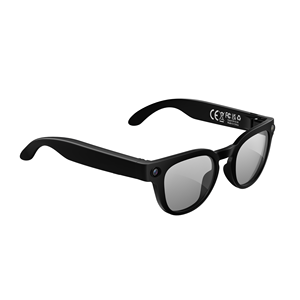
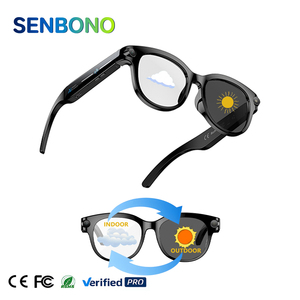
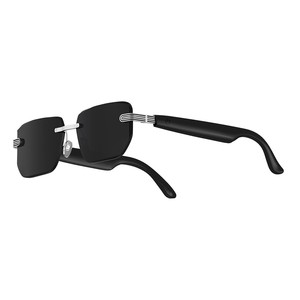
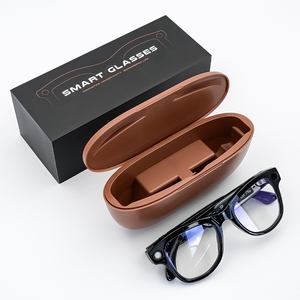
High-precision smart eyewear featuring multimodal AI translation, 4K camera capture, directional open-ear acoustics, and ergonomic sport designs.

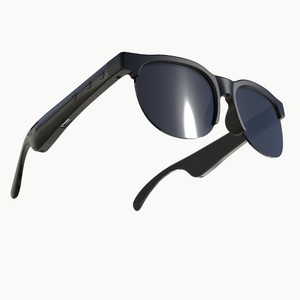
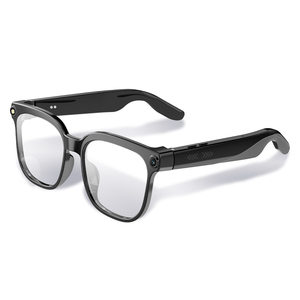
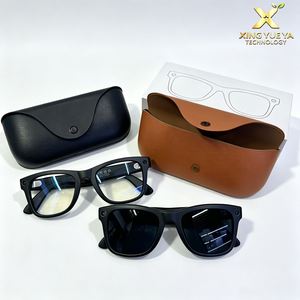
The Paradigm Shift in Smart Eyewear Sourcing from China
The global wearable technology ecosystem is undergoing a profound structural evolution. Smart spectacles—once considered niche gadgets—have swiftly morphed into critical edge-computing touchpoints for enterprise mobility, multi-language international business execution, athletic performance tracking, and visual assistive technologies. As world markets shift from standalone Bluetooth audio frames toward multimodal Large Language Model (LLM) powered smart glasses, China’s industrial ecosystem has consolidated its status as the world's primary innovation hub and manufacturing powerhouse.
Modern global brands, technology importers, healthcare distributors, and telecommunication operators require far more than basic assembly facilities. They seek advanced original design manufacturers (ODM) equipped with micro-optical calibration laboratories, high-density Surface Mount Technology (SMT) cleanrooms, low-power system-on-chip (SoC) firmware optimization capabilities, and full ISO13485/ISO9001 certified quality control systems. Chinese original equipment manufacturers (OEMs) now deliver end-to-end integration across micro-cameras, open-ear beamforming acoustic arrays, photochromic optics, and real-time cloud-edge AI software stacks.
OEM/ODM Manufacturing Infrastructure & Technical Superiority
Integrating optical perfection, micro-circuitry, and acoustic isolation into a sleek frame requires advanced manufacturing precision.
High-Precision Micro-Optical Assembly
Our production facilities feature Class 10,000 dust-free cleanrooms specifically designed for mounting sub-miniature camera modules (up to 8MP/4K resolution) and photochromic optical lenses. Precision laser alignment guarantees zero optical distortion and perfect inter-pupillary distance matching.
Proprietary Edge-AI & Firmware Integration
We supply enterprise clients with integrated firmware supporting over 164 languages and regional dialects. On-device edge processing enables offline text-to-speech (TTS), sub-second real-time scene recognition, and noise-canceling voice assistance without relying heavily on mobile data latency.
Directional Open-Ear Acoustic Architecture
Our patented dual micro-speaker array directs sound waves directly into the ear canal while suppressing sound leakage to adjacent bystanders. Ambient awareness is entirely preserved, ensuring critical safety for outdoor wearers and visual assistive applications.
Advanced Power Management & Battery Safety
By utilizing dual high-density lithium-polymer battery cells housed inside flexible TR90 memory resin temples, our smart frames achieve up to 8–12 hours of continuous usage. Custom USB-C magnetic charging cases supply rapid power top-ups on the go.
Rigorous Environmental & IPX Certification
Every batch undergoes strict environmental testing including salt-spray corrosion chamber tests, UV lens degradation analysis, drop-impact structural evaluations, and IPX5/IPX7 water-resistance verification to guarantee long-term field reliability.
Global Regulatory Compliance Support
We provide full white-label documentation, CE-RED, FCC Part 15 subpart B, RoHS, REACH, UN38.3 battery transport safety documentation, and FDA registration support to streamline international customs clearance for global importers.
Future Trends in Smart Spectacles: 2025 to 2030
Understanding the technological trajectory of wearable vision hardware is crucial for procurement managers and product line strategists aiming to prevent rapid inventory obsolescence. Over the next five years, five technological vectors will dominate smart spectacles manufacturing:
1. Multimodal Generative AI Integration
Smart glasses are transitioning from simple voice-controlled accessories into proactive visual companions. Integrated AI engines allow users to capture what they view in real time and receive instant natural-language descriptions, semantic contextual translation, object cataloging, and automated meeting summarization.
2. Micro-LED & Diffraction Waveguide Optics
The industry is transitioning toward full visual display integration. Micro-LED optical engines coupled with lightweight diffractive waveguides will soon deliver high-brightness heads-up displays (HUD) housed inside frames weighing under 55g, bringing augmented reality navigation directly into business eyewear.
3. Hybrid Edge-Cloud Inference Engines
To balance low power consumption with unlimited processing bandwidth, future hardware will dynamically offload complex visual recognition tasks to high-speed cloud clusters while processing immediate safety triggers (such as obstacle warnings and proximity detection) directly on localized low-power SoC microcontrollers.
4. Ergonomic Biocompatibility & Custom Optics
Mass-market acceptance relies heavily on cosmetic design. Factory production lines are rapidly adopting ultra-flexible Swiss TR90 memory plastics, aerospace-grade titanium alloys, and prescription-ready lens frames (including anti-blue light, progressive photochromic, and polarized optical filters).
AI-Powered Vision Aids for Low-Vision & Accessibility Markets
Beyond fashion and translation wearables, smart spectacles are creating massive social impact within healthcare and accessibility sectors. For users experiencing macular degeneration, diabetic retinopathy, glaucoma, or total blindness, custom-engineered AI spectacles serve as wearable electronic orientation and mobility aids.
Our specialized factory lines engineer assistive smart frames incorporating high-resolution wide-angle cameras, bone-conduction/open-ear sound drivers, and specialized neural network vision algorithms. These frames convert the visual world into clear, natural speech—narrating physical indoor layouts, reading printed mail and medication labels, identifying currency notes, recognizing saved contacts, and issuing early auditory warnings for head-height obstacles or curb steps.
Smart Spectacles Hardware Specification Benchmark
Compare baseline technical parameters across our primary OEM smart spectacles product categories to align with your market sector requirement:
| Specification Category | AI Translation & Business Series | 4K Camera & Video Sport Series | Low-Vision Assistive AI Series |
|---|---|---|---|
| Target Frame Weight | 38g – 44g | 48g – 52g | 45g – 49g |
| Camera Specs | Fixed focus / HD Snapshot | 8MP 4K HDR Low-Distortion | Wide-Field Low-Light Sensor |
| Acoustic System | Dual Open-Ear Beamforming | Stereo Noise-Isolating Speakers | Bone-Conduction / Directional |
| Translation Capabilities | 164+ Languages Real-time | 145+ Languages Voice Companion | Offline/Online Multimodal AI Speech |
| Battery Life & Case | 6h Active / 180h Standby | 8h Recording / USB-C Case | 10h All-Day Outing Capacity |
| Water Resistance Rating | IPX4 Sweatproof | IPX5 Outdoor Waterproof | IPX5 Daily Splash Resistant |
| Frame & Lens Options | TR90 Rim / Anti-Blue Light | Polarized / UV400 Photochromic | Prescription Clip-on Compatible |
Frequently Asked Questions for International Buyers
Clear, comprehensive answers addressing technical customization, quality assurance, regulatory compliance, and international logistics.
Accelerate Your Smart Eyewear Market Launch
Partner with China’s leading smart spectacles manufacturer. Access direct factory pricing, comprehensive technical whitepapers, SDK documentation, and custom OEM/ODM prototype support.