
Featured Electro-Optical & Vision Device Catalog
Direct B2B OEM/ODM export solutions engineered for clinical ophthalmology, tactical surveillance, night-vision hunting, and AI visual assistance.
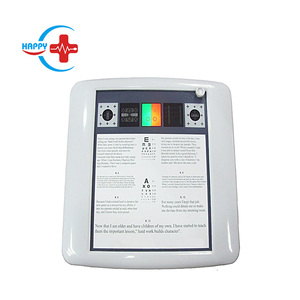
- Standardized Optotype Illumination
- Precision Clinical Refraction Testing
- Compact Diagnostic Ergonomics
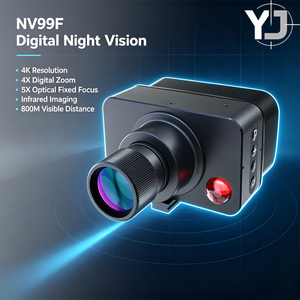
- 4K Micro-AMOLED Display
- 500M Nighttime Detection Range
- IP56 Waterproof & Ruggedized
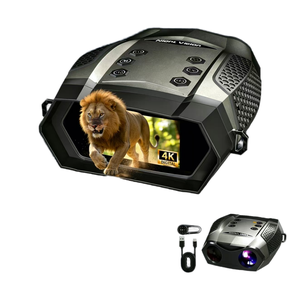
- 3" Ultra-HD IPS Widescreen
- 8X Optical/Digital Magnification
- 600M Dark Distance Sensor
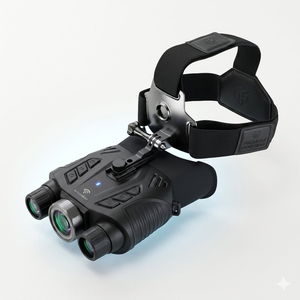
- Full-Color Low-Light Starlight CMOS
- Built-in WiFi & Smart App Sync
- Tactical Head-Mounted Frame
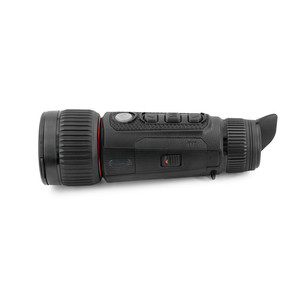
- High-Sensitivity VOx Sensor
- Real-Time Video Recording & WiFi
- Multi-Palette Thermal Modes
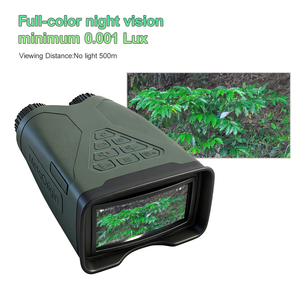
- AI Image Enhancement Engine
- True Color At Night (Zero-IR)
- 1080P HD Day/Night Dual Sensor
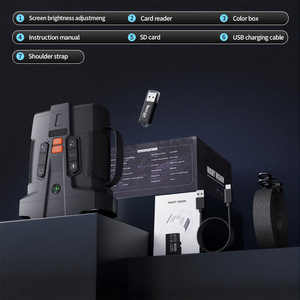
- 4.5-Inch High-Res Viewfinder
- Integrated Electronic Compass
- Auxiliary LED Illumination
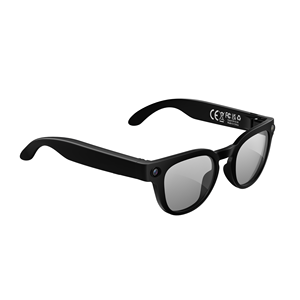
- 8MP Wide-Angle AI Optics
- Real-Time Voice Translation
- Bluetooth Audio & Touch Controls
Why Partner with Leading Chinese Vision Device Manufacturers?
Combining world-class optical precision molding, advanced microelectronics integration, and aggressive global supply chain responsiveness.
End-to-End Precision Optics Fabrication
From glass lens blank molding and multi-layer anti-reflective dielectric coating to MTF (Modulation Transfer Function) bench testing, Chinese manufacturing plants enforce zero-defect quality standards for optical clarity and durability.
Advanced ISP & Sensor Integration
Integrating state-of-the-art uncooled VOx microbolometers, low-light starlight CMOS sensors, and micro-AMOLED displays into compact, weather-sealed IP67/IP68 housings built for harsh field performance.
Strict International Export Compliance
Fully compliant with international quality management benchmarks including ISO 9001, ISO 13485 (Medical Devices), CE, FCC, RoHS, and REACH certifications, ensuring frictionless customs clearance globally.
Flexible OEM/ODM Customization
Custom software algorithm engineering, optical reticle customization, tailored GUI design, proprietary housing colorways, and multi-language packaging solutions available for high-volume enterprise buyers.
Robust Global Logistics & Supply Chain
Direct partnerships with major air/sea freight carriers, standardized shockproof export packaging, full traceability, and direct drop-shipping services to key distribution hubs in North America, Europe, and Asia-Pacific.
Edge AI & Multispectral Integration
Pioneering the fusion of deep-learning computer vision with physical optics—enabling hands-free real-time scene audio descriptions for low-vision users and automatic target recognition for tactical devices.
Comprehensive Industry Report: Sourcing Advanced Optical & Vision Devices from China
The global electro-optical and visual assistive device market is undergoing a rapid technological evolution. Driven by advancements in uncooled thermal sensors, micro-AMOLED displays, ultra-low-light CMOS technologies, and embedded AI processors, top-tier Chinese optical suppliers have transitioned from component assembly to defining state-of-the-art visual technology architectures.
1. Technical Classification of Modern Vision Devices
When sourcing vision equipment from China, enterprise importers and clinical procurement specialists must categorize devices based on their core optoelectronic operational principles:
A. Clinical Ophthalmic & Visual Assessment Systems: Diagnostic devices such as the HC-Q015 Near Chart Vision Tester rely on precise, standardized color temperature illuminators and calibrated optotypes. These devices are critical for optometrists and ophthalmologists evaluating refractive errors, near visual acuity, and accommodation responses under clinical conditions.
B. Digital Infrared & Starlight Night Vision Optics: Leveraging high-sensitivity CMOS sensors operating in the 0.4μm to 1.1μm spectral range, systems like the 4K UHD Binoculars and DT69 2.5K Tactical Goggles multiply ambient light thousands of times. Combined with high-power 850nm or 940nm IR illuminators, these devices provide high-definition viewing in complete visual darkness.
C. Uncooled Thermal Imaging Systems: Utilizing Vanadium Oxide (VOx) or Amorphous Silicon (a-Si) microbolometers, handheld thermal monoculars capture long-wave infrared radiation (8μm–14μm) emitted by any object above absolute zero. With NETD (Noise Equivalent Temperature Difference) ratings falling below 30mK, these units pierce through dense fog, smoke, foliage, and absolute zero-light environments.
D. AI-Driven Visual Assistive & Smart Eyewear: Devices like the New Vision MT3 Smart AI Glasses and modern wearable visual assistance spectacles combine high-resolution miniature optics with edge AI microchips. They execute computer vision tasks—such as optical character recognition (OCR), facial recognition, dynamic obstacle mapping, and real-time voice translation—directly on board or via low-latency wireless cloud processing.
2. Key Technology Trends Shaping the Procurement Landscape
Global distributors and enterprise buyers should align their purchasing roadmaps with several crucial industry trends dominating Chinese optical research and manufacturing hubs:
- AI-Driven Zero-IR Full-Color Night Vision: Traditional digital night vision required power-hungry IR illuminators that exposed the user's location. Emerging AI vision devices employ deep-learning noise-reduction models that reconstruct vivid, full-color 1080p images in ambient light as low as 0.001 Lux without firing an IR beam.
- Multispectral Image Fusion (Thermal + Night Vision): Advanced surveillance and outdoor optoelectronic devices are increasingly adopting dual-sensor architectures. By overlaying the high-detail spatial contrast of a low-light optical sensor with the heat-detection capability of a thermal core, operators gain unparalleled situational awareness.
- Miniaturization & Micro-OLED Displays: Replacing heavy legacy LCD screens with high-density 0.39-inch or 0.71-inch Micro-AMOLED viewfinders dramatically reduces eyepiece power consumption while elevating image resolution, contrast ratios (>100,000:1), and frame rates for seamless motion tracking.
- Open-Ear Directional Audio & Assistive Spatial AI: In the low-vision accessibility sector, wearable AI spectacles are moving away from restrictive headphones toward open-ear directional acoustic drivers. This enables visually impaired wearers to receive context-aware environmental descriptions while preserving critical ambient hearing.
3. Quality Assurance & Evaluation Framework for OEM/ODM Buyers
To guarantee long-term market competitiveness and minimize product return rates, international buyers should audit candidate suppliers against the following operational criteria:
Optical System Alignment: Ensure the optical assembly utilizes cleanroom (Class 10,000 or higher) lens mounting and laser collimation to eliminate parallax errors and chromatic aberration across all zoom ranges.
Environmental Shock & Ingress Resistance: Field devices must undergo rigorous environmental stress testing, including IP66/IP67/IP68 water immersion testing, MIL-STD-810H vibration profiling, and extreme thermal cycling (-20°C to +60°C operational thresholds).
Firmware & Software Upgradability: Modern digital optoelectronic devices require persistent over-the-air (OTA) or USB firmware support to update image signal processing (ISP) algorithms, correct dead pixels, and update language packs.
Frequently Asked Procurement Questions (FAQ)
Essential guidance for international buyers, medical distributors, tactical gear resellers, and accessibility institutions.
What minimum order quantities (MOQ) apply for OEM custom branding?
For standard off-the-shelf optical products, minimum orders typically start at 10 to 50 units. For custom OEM requests—such as laser-engraved branding, customized startup logo screens, custom colorways, and tailored user manuals—the MOQ generally ranges between 100 and 500 units depending on housing complexity.
Are Chinese optical night vision and thermal imaging devices subject to ITAR regulations?
No. Products manufactured in China are completely non-ITAR (International Traffic in Arms Regulations) controlled. They are exported under Chinese export control regulations and international dual-use goods frameworks, allowing global distributors to procure advanced electro-optics without navigating complex US ITAR re-export restrictions.
How do AI full-color night vision goggles differ from conventional thermal imaging?
Full-color night vision utilizes high-sensitivity optical sensors and AI algorithms to preserve actual colors and high visual detail (such as reading vehicle license plates or facial details) under low ambient light. Thermal imaging, conversely, detects heat signatures emitted by targets regardless of visual lighting conditions, making it superior for detecting hidden targets through dense fog or foliage.
What international quality certifications accompany clinical and assistive vision devices?
Clinical ophthalmic devices (such as vision charts and optometry testers) comply with ISO 13485 medical device standards, CE Medical Device Directives (MDR), and FDA registration requirements. Electronic smart spectacles and night vision optics carry CE, FCC, RoHS, and UN38.3 (for lithium battery air transport) certifications.
Can software language options be customized for regional markets?
Yes. Digital vision devices with built-in displays or voice-assistant audio modules (such as AI translation glasses and tactical monoculars) support multi-language firmware updates. Factory customization allows pre-loading of over 20 global language audio packs and localized user interface menus.
What is the typical lead time for enterprise B2B volume shipments?
Sample orders and trial units are typically dispatched within 3 to 7 business days via international air express. Mass production orders (500 to 5,000 units) generally require 20 to 35 calendar days, accounting for precision optical assembly, burn-in testing, and environmental quality assurance checks.
Ready to Upgrade Your Optical Supply Chain?
Connect directly with specialized electro-optical engineers and international sales directors to request product specifications, wholesale price lists, and OEM evaluation samples.