
Top-Rated Sensor Glasses & AI Smart Eyewear Products
Direct-from-factory smart eyewear engineered with real-time translation algorithms, high-definition CMOS camera sensors, photochromic optics, and open-ear directional acoustic drivers.
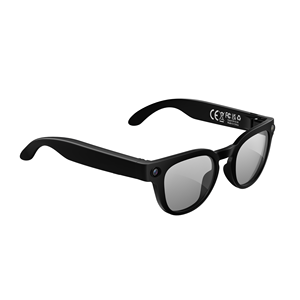
New Vision MT3 Smart AI Glasses With 8MP Camera HD Touch Button AI Translation Voice Assistant Fast Charging Sport BT Sunglasses
- ⚡ 8MP HD Camera & Touch Interface
- ⚡ Fast Charging & Sports Bluetooth
- ⚡ Multi-language AI Voice Assistant
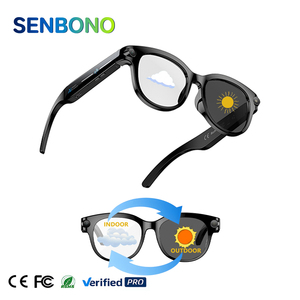
SENBONO M89 Smart Polarized Glasses Dual Camera 2MP IPX5 Waterproof Photochromic Lenses HD Video Recording 290mAh Battery AI
- ⚡ Dual Camera 2MP & Video Recording
- ⚡ IPX5 Waterproof & Photochromic
- ⚡ Extended 290mAh Battery Capacity

Professional AI Smart Translation Glasses 164+ Languages Real-Time Open-Ear Audio Anti-Blue Light Half-Rim Business Glasses
- ⚡ 164+ Languages Real-time Translation
- ⚡ Open-Ear Directional Audio
- ⚡ Anti-Blue Light Executive Design
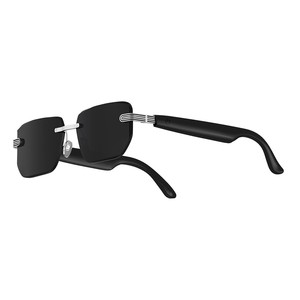
AI Smart Glasses Real-time Translation 145 Languages Photochromic Lenses Audio Video Calls Meeting Recording Voice Assistant
- ⚡ 145 Languages & Meeting Recording
- ⚡ Photochromic Adaptive Lenses
- ⚡ HD Voice & Video Call System
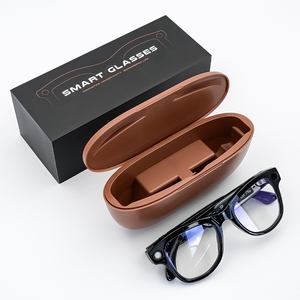
Newest SANVNET GS5 MAX 2026 AI Smart Glasses with Charging Case 8MP 4K Camera WIFI Smart Video Sunglasses Glasses Translation
- ⚡ 8MP Ultra HD 4K Video Capture
- ⚡ High-Speed Wi-Fi Video Sync
- ⚡ Includes Portable Charging Case
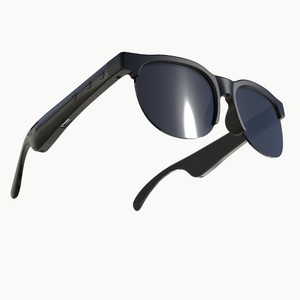
New Smart Glasses: Bluetooth Glasses with Open-Ear Bluetooth Calling for Outdoor Sports Cross-Border New Arrival
- ⚡ Open-Ear Spatial Audio Driver
- ⚡ Low Latency Bluetooth 5.3
- ⚡ Ergonomic Outdoor Sports Frame
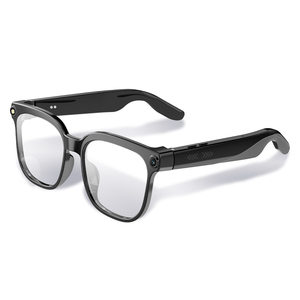
AI Smart Glasses with HD Camera Real-Time Translation Touch Operation Intelligent Recognition 16MB Camera Video Recording
- ⚡ Intelligent Vision Recognition
- ⚡ Capacitive Touch Frame Control
- ⚡ HD On-board Video Recording
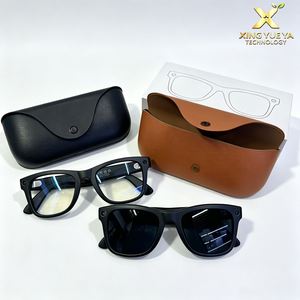
MT5-Ultra AI Smart Glasses Real-Time Trans 8MP Camera 1080P AI Translation Music Wi-Fi Transmission with Charging Case
- ⚡ 8MP Sensor / 1080P AI Video
- ⚡ Rapid Wi-Fi Media Transmission
- ⚡ Charging Dock Storage Solution
The Paradigm Shift in Smart Eyewear Sourcing: Why China Leads Sensor Integration
The global market for smart glasses and sensor-integrated spectacles is experiencing an unprecedented structural evolution. Moving far beyond basic Bluetooth audio streaming, modern sensor glasses now combine multi-modal edge computing, high-precision micro-sensors (6-axis IMUs, time-of-flight depth sensors, ambient light photodetectors), high-resolution optical cameras, and localized Large Language Models (LLMs) into lightweight, wearable form factors under 50 grams.
For global brands, enterprise distributors, accessibility organizations, and consumer electronics importers, sourcing from China's top sensor glasses manufacturers provides a distinct competitive edge: access to fully integrated supply chains capable of delivering custom firmware, multi-lingual AI engines, and medical-grade quality control (ISO13485/ISO9001) at scalable unit economics.
Core OEM/ODM Factory Advantages & Technological Competencies
When evaluating a manufacturing partner for sensor glasses in China, leading tier-1 facilities set themselves apart through deep expertise in hardware-software integration, acoustic engineering, and optical precision.
Micro-Hardware Miniaturization
Achieving an ergonomic weight distribution under 50 grams requires advanced flex-rigid PCB layouts, micro-molded temple hinges, and dual-temple split battery configurations. Factories utilize sub-millimeter SMT processes to fit camera modules, microphones, and touch sensors into standard spectacle profiles.
Edge AI & On-Device Vision Engines
Top manufacturing facilities integrate low-power neural processing units (NPUs) directly on-chip. This allows sub-second local OCR text extraction, real-time object classification, and instant scene description without requiring continuous internet connectivity or cloud bandwidth.
Directional Acoustic Tuning
Using open-ear acoustic wave-guiding technology, proprietary acoustic chambers focus audio directly toward the user's ear canal while cancelling sound leakage to bystanders—ensuring call privacy and environmental awareness during navigation.
Low-Light Optics & Sensor Calibration
Custom camera modules equipped with dynamic exposure control and optical image stabilization allow stable capture under twilight, fluorescent indoor lighting, or glaring outdoor sun—critical for computer vision accuracy and real-time AI translation.
Privacy & Encrypted Firmware Architecture
Security-focused Chinese factories implement localized hardware encryption chips. Captured camera frames are processed in volatile memory and instantly flushed, preventing unauthorized data retention and ensuring full compliance with international privacy mandates (GDPR/CCPA).
Global Multi-Language Localization
Pre-loaded or OTA-upgradable voice synthesis packs supporting 164+ regional languages and dialects, enabling white-label distributors to deploy localized products across Europe, the Americas, Asia-Pacific, and the Middle East effortlessly.
Future Technological Trends in Sensor-Enabled Eyewear (2026–2030)
Understanding where smart eyewear engineering is heading enables procurement directors to select product lines that remain relevant across multi-year retail cycles.
| Technology Vector | Current Market Standard (2024-2025) | Next-Gen Factory Standard (2026-2030) | Impact on B2B Sourcing Strategy |
|---|---|---|---|
| Sensor Array Fusion | Discrete 6-axis IMU + basic camera photodetector | LiDAR ToF + Ultrasonic + Micro-CMOS multi-sensor fusion | Enables micro-obstacle detection for visual assistive devices and industrial AR navigation. |
| Optical Engine | Standard polarized/blue-light blocking or basic photochromic | Electrochromic auto-tinting lenses + Micro-OLED Waveguide integration | Dynamic tint switching synced with ambient sensors; seamless indoor-to-outdoor transition. |
| AI Compute Architecture | Cloud-dependent smartphone companion app offloading | Hybrid Edge-Cloud NPU running localized LLMs & vision transformers | Zero-latency speech response; fully functional offline translation and visual narration. |
| Power Management | Magnetic 2-pin contact charging (150–220mAh) | Fast-charging storage cases with wireless Qi2 transfer & dual-temple hot swapping | All-day operating hours (>16 hours active runtime with fast 15-minute top-ups). |
The confluence of lightweight optics, generative AI speech models, and multi-sensor fusion transforms smart eyewear from a niche gadget into an indispensable daily utility. Factories at the forefront of this convergence are investing heavily in automated optical testing benches, automated SMT placement machines, and precise acoustic measurement darkrooms to maintain rigorous yields.
Future Procurement Trends for Smart Glasses Sourcing
As consumer demand diversifies across enterprise safety, medical low-vision assistance, athletic performance tracking, and international translation, B2B buyers must navigate key purchasing shifts:
1. Modular SDK & Open API Customization
Enterprise clients increasingly demand custom software integration. Modern factories supply ready-to-use Android/iOS SDKs, allowing buyers to connect smart glasses directly to proprietary CRM, logistics, or clinical rehabilitation platforms.
2. Clip-On & Prescription Lens Adaptability
To capture broader demographics, procurement is shifting toward universal frame chassis that accept prescription inserts, contrast filters, or clip-on electrochromic modules—eliminating inventory fragmentation across diopter options.
3. Medical & Assistive Device Certification
Smart glasses engineered for visually impaired or elderly users require compliance with Class I medical device regulations, accessibility standards, and ISO 13485 quality frameworks, opening procurement pathways in healthcare and government programs.
Frequently Asked Questions for Sourcing Sensor Glasses
Expert guidance on quality assurance, custom tooling, compliance, and OEM logistics when working with Chinese smart glasses factories.
How do China sensor glasses manufacturers ensure IPX5 or higher waterproofing with cameras and speakers onboard?
Leading factories utilize structural nano-coating technology (such as P2i), precision silicone acoustic gaskets, and ultrasonic welding for internal lens housings. Every batch undergoes automated air-tightness pressure testing before PCB assembly to ensure rain and sweat resistance.
What is the typical Minimum Order Quantity (MOQ) for custom OEM brand logo printing vs full ODM mold development?
For standard white-label products with custom brand laser engraving and customized packaging, MOQs typically range from 100 to 500 units. For full ODM hardware projects involving new frame injection molds, custom PCB engineering, and tailored optical tooling, MOQs start around 2,000 to 5,000 units depending on complexity.
Do the AI translation and vision assistance features require custom cloud server hosting in destination countries?
Top manufacturers offer flexible backend options. Core feature sets (offline translation engines, optical character recognition, basic obstacle tones) run locally on edge hardware. For cloud-based multi-language LLMs, factories provide localized AWS/Azure server routing in North America, Europe, or Asia to maintain minimal latency and satisfy local data sovereignty rules.
What international regulatory certifications are required to import sensor glasses from China?
Distributors should verify that the factory provides CE-RED (Radio Equipment Directive), FCC ID (for wireless Bluetooth/Wi-Fi), RoHS 2.0, REACH, and UN38.3 battery transport safety certification. Products targeted at assistive healthcare should also align with FDA Class I/CE MDR registration.
How are lithium batteries safely shipped inside wearable smart frames?
Batteries integrated into temple stems are certified under UN38.3 and MSDS standards. Chinese manufacturers ship finished eyewear with integrated power management circuitry, ensuring overcharge, deep discharge, and thermal run-away protection compliant with air and sea freight logistics regulations.
Can prescription lenses be installed into AI camera glasses without damaging internal sensors?
Yes. Modern frame architecture isolates the optical lens rim from the micro-electronics housing. Optical laboratories can easily cut and fit standard RX prescription, anti-blue light, or photochromic lenses into the groove without interfering with the temple-mounted sensors or camera modules.
Partner with China's Premier Sensor Glasses Manufacturer
Whether you require off-the-shelf AI translation spectacles, low-vision assistive devices, or custom enterprise ODM development, our engineering team is ready to deliver sample units and factory-direct quotations within 24 hours.
Inquire Now