
Featured OEM/ODM Wearable Smart Cameras & Glasses
Explore our turnkey factory-ready wearable camera platforms, customized for smart audio-visual capture, real-time AI translation, hands-free video recording, and low-vision assistive applications.
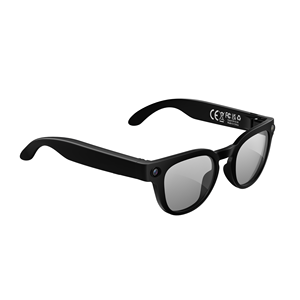
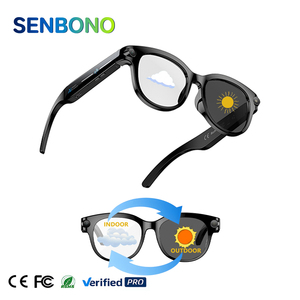

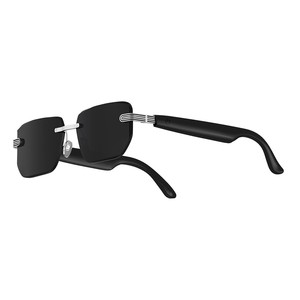
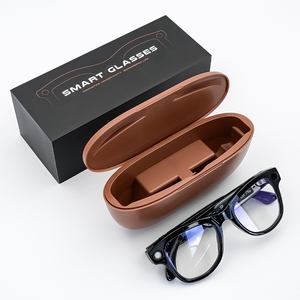
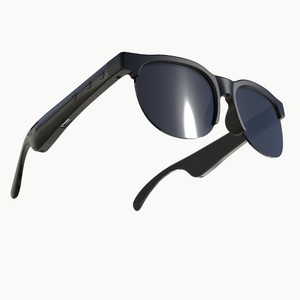
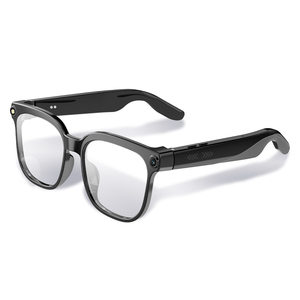
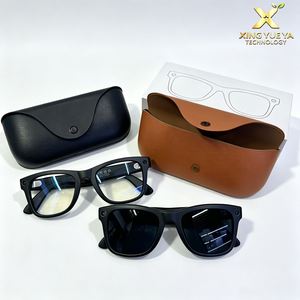
State-of-the-Art Enterprise OEM/ODM Factory Infrastructure
As a premier OEM/ODM Wearable Camera Manufacturer, our factory specializes in the end-to-end design, micro-miniaturization engineering, and scalable mass production of next-generation smart glasses, body-worn cameras, and visual assistive eyewear. By combining high-density Surface Mount Technology (SMT), cleanroom optical bonding, and localized edge AI algorithm deployment, we enable global brands, medical distributors, and enterprise integrators to bring robust wearable vision solutions to market with optimized speed and uncompromising reliability.
Micro-Miniaturized PCB & SMT Assembly
Our automated ISO Class 8 cleanrooms feature multi-layer HDI PCB assembly lines optimized for space-constrained wearable frames. We integrate ultra-low-power chipsets, high-speed Wi-Fi/Bluetooth modules, and energy-dense Li-polymer pouch batteries within ultra-lightweight structural ergonomics.
Custom Optical Precision & CMOS ISP Tuning
From 2MP low-power capture modules to 8MP 4K Ultra-HD camera optics, our optical laboratory performs custom Lens Modulation Transfer Function (MTF) alignment, dynamic distortion correction, and low-light Image Signal Processing (ISP) calibration tailored to real-time computer vision applications.
Acoustic Engineering & Directional Audio
We engineer dual open-ear directional audio drivers and multi-microphone beamforming arrays. Our acoustic chamber testing ensures crisp voice command recognition, environmental noise cancellation (ENC), and crystal-clear real-time translation feedback while leaving the wearer’s ear canal unobstructed.
Comprehensive ISO-Certified Quality Assurance & Compliance
Every wearable camera system produced in our manufacturing facilities undergoes rigorous multi-stage reliability testing. This includes IPX5/IPX7 ingress protection validation against water and dust, drop and torsional stress testing, electromagnetic compatibility (EMC) testing, and thermal dissipation modeling to prevent skin contact heat buildup. We support global regulatory compliance, providing turnkey certification assistance for CE, FCC, RoHS, REACH, and ISO 13485 standards for visual assistive devices.
Technology Development Trends in Wearable Vision Systems
The global wearable camera market is undergoing a structural transition from passive recording hardware to active, context-aware artificial intelligence hubs. Our R&D division has mapped out five foundational technological trends shaping the future of OEM/ODM wearable camera architecture over the 2026–2030 horizon.
1. Edge AI Neural Processing & On-Device VLMs
Future wearable cameras will no longer rely solely on cloud connectivity. On-device System-on-Chip (SoC) platforms integrated with specialized Neural Processing Units (NPUs) permit localized execution of Vision-Language Models (VLMs). This enables sub-second scene narration, real-time optical character recognition (OCR), and obstacle detection without internet latency, maintaining strict user privacy.
2. Smart Lenses & Adaptive Photochromic Optics
Hardware convergence demands seamless integration between optical frames and ambient illumination. Modern manufacturing incorporates electrochromic and photochromic optical technology, automatically altering lens tint based on UV exposure, combined with anti-blue ray coatings and custom prescription clip-on capabilities for daily wearability.
3. Advanced Power Management & Charging Cases
To overcome the physical battery constraints of sub-50g eyewear, OEM/ODM designs are adopting duty-cycled power states, micro-Li-ion batteries built into frame temples, and magnetic quick-charge storage cases. Fast charging technologies allow users to regain 80% battery capacity in under 20 minutes for continuous all-day operation.
4. Multilingual Natural Language Audio Engines
Wearable visual translation is expanding from simple text display to low-latency, multi-dialect bidirectional speech synthesis. Modern firmware options integrate over 164 speech synthesis engines and voice assistants, allowing cross-border business professionals and visually impaired users to communicate fluidly across international borders.
5. Biometric Privacy & Encrypted Data Channels
As wearable cameras record real-time public environments, manufacturers are embedding hardware-level security modules (HSMs). Image buffers are processed in volatile memory and immediately purged unless authorized for recording. LED recording indicators and local biometric profile encryption protect both wearers and surrounding individuals.
Global B2B Sourcing & Procurement Trends
Procurement directors, brand managers, and medical equipment distributors are re-evaluating sourcing strategies for smart audio-visual eyewear. To succeed in modern consumer and enterprise sectors, B2B buyers are prioritizing flexible OEM platforms over rigid off-the-shelf products.
Modular Platform Standardization
Enterprise buyers favor OEM partners offering modular reference designs. By utilizing standard core optical-acoustic PCBA engines across multiple frame styles (sports sunglasses, half-rim business glasses, clip-on modules), brands can drastically cut Non-Recurring Engineering (NRE) fees and shorten development cycles from 12 months to under 90 days.
SDK Openness & SDK Customization
Hardware differentiation is increasingly software-driven. Modern ODM agreements mandate accessible Software Development Kits (SDKs), Android/Linux OS source access, and customizable API hooks to allow enterprise clients to upload proprietary AI translation models, assistive vision routines, or encrypted cloud storage solutions.
Expansion into Visual Assistive Sectors
The market for wearable visual aids—catering to blind, low-vision, macular degeneration, and glaucoma users—represents one of the fastest-growing OEM sourcing verticals. Buyers are seeking factories equipped to build hands-free assistive devices that combine head-height obstacle warning tones with scene narration.
Wearable Camera OEM/ODM Procurement FAQ
Answers to technical, operational, and supply chain questions frequently raised by global B2B buyers and product managers during factory qualification.
Partner with a Leading OEM/ODM Wearable Camera Factory
Consult with our engineering and procurement team to request product samples, receive custom Non-Recurring Engineering (NRE) quotes, or discuss factory audits for your custom smart glasses or wearable camera project.
Contact Us