
Featured Intelligent Eyewear Portfolio
Direct-from-factory smart audio, vision AI, heads-up display, and optical video recording spectacles engineered for worldwide OEM/ODM deployment.
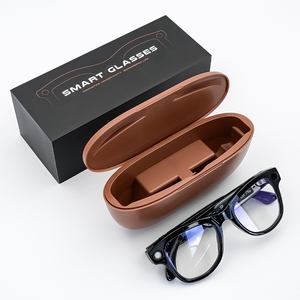
Newest SANVNET GS5 MAX 2026 AI Smart Glasses with Charging Case 8MP 4K Camera WIFI Smart Video Sunglasses Glasses Translation
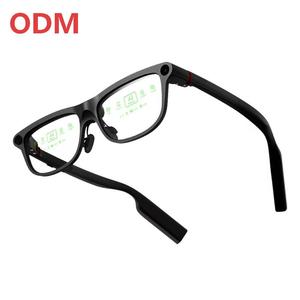
AI Display Glasses, Voice-to-text Display Glasses, Text Display Glasses, Exam Answer Glasses, Navigation Screen Display Glasses
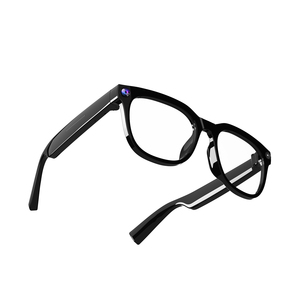
Smart Photochromic Glasses Bluetooth Air Conduction Music Calling Game Navigation Wearable Fashion Audio Eyewear
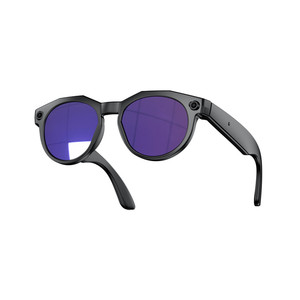
AI Smart Glasses with Camera Waterproof Wireless Music Listening Call Video Recording Photo Recognition Smart Eyewear
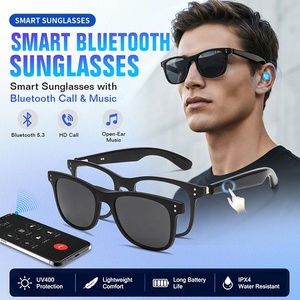
AI Smart Glasses with Camera Video Recording 20+ Languages Translation Sunglasses Bluetooth Call Music Play for Driving Travel
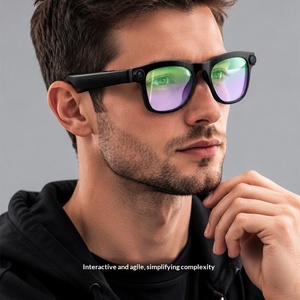
AI Smart Glasses HD Recording Intelligent Image Recognition Large Model Translation Bamboo Frame TAC Lenses Ultimate Meeting
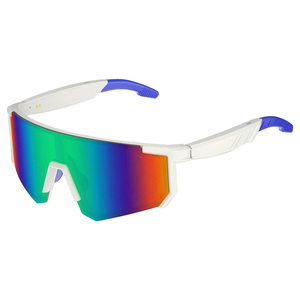
Smart Cycling Audio Glasses UV400 UV-Ban Music Playback Hands-Free Calling AI Translation Wearable Intelligent Device Magnetic
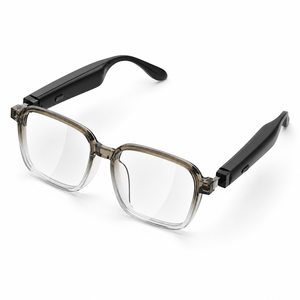
Smart Glasses with 2-in-1 Eyewear and Earbuds, Open-Ear Audio, Music Playback, Type-C Charging
1. Strategic Procurement Overview: Sourcing Intelligent Eyewear from China
The global wearable technology ecosystem is undergoing a seismic paradigm shift. Intelligent glasses—once considered a niche consumer gadget—have rapidly matured into a primary computing interface for visual assistance, hands-free enterprise operations, real-time machine translation, and augmented reality interaction. As international brands, consumer electronics distributors, healthcare channels, and telecommunication operators seek high-margin smart eyewear products, identifying a premier China Intelligent Glasses Factory and OEM/ODM supplier has become a vital strategic objective.
China's Pearl River Delta and Yangtze River Delta tech hubs consolidate over 85% of the world's precision optical manufacturing, micro-electronics packaging, and SMT assembly capacity. Partnering directly with a tier-1 manufacturing facility grants international buyers access to advanced engineering capabilities, including sub-millimeter flex-PCB assembly, open-ear directional audio tuning, low-power micro-display integration, and advanced multi-modal Artificial Intelligence (AI) firmware customization.
This comprehensive procurement whitepaper outlines the essential technological architectures, quality assurance benchmarks, enterprise manufacturing advantages, and future technology roadmaps necessary to make informed global sourcing decisions.
Factory Manufacturing Capabilities & OEM/ODM Advantages
Empowering global brands through state-of-the-art optical assembly, rigorous reliability testing, and comprehensive white-label engineering services.
End-to-End Precision Optical Manufacturing
Our facility integrates optical lens shaping, photochromic coating application, and precision camera alignment in dust-free Class 10,000 cleanrooms, ensuring perfect optical clarity and zero distortion for camera and HUD modules.
Turnkey OEM/ODM & White-Label Firmware
From custom frame CAD tooling to branded iOS/Android apps, open-ear acoustic chamber engineering, and multi-lingual AI cloud integration, we offer fully customizable hardware and software solutions tailored to your market.
Rigorous Quality Control & IP Certification
Every batch undergoes exhaustive IP67 waterproof validation, hinge drop testing, salt spray anti-corrosion checks, thermal shock testing (-20°C to 65°C), and full CE, FCC, RoHS, and FDA Class I compliance auditing.
2. Product Development Trends: The Next Architecture of Smart Eyewear
Understanding the underlying hardware and software convergence is crucial for B2B procurement managers planning 2026–2030 product roadmaps. Modern intelligent spectacles have migrated away from bulky, front-heavy prototypes into sleek, everyday-wearable designs weighing under 50 grams. Key engineering advancements shaping current manufacturing include:
A. Multi-Modal AI & Edge Computing Integration
The integration of Large Language Models (LLMs) and visual neural networks directly into smart glasses represents the most significant breakthrough in wearable tech. Microphones combined with low-power CMOS image sensors capture environmental data, which is parsed locally via edge AI chipsets or processed through secure cloud APIs. Applications range from real-time two-way translation in over 20 languages to hands-free image recognition, document scanning, and automated meeting notes summarization.
B. Open-Ear Acoustic Architecture & Air Conduction
Traditional in-ear earbuds cause fatigue and isolate the user from ambient traffic sound, creating safety hazards. Advanced smart glasses utilize dual directional micro-speakers combined with acoustic phase-cancellation technology. This directs crisp audio, navigation prompts, and voice calls straight into the user's ear canal while minimizing sound leakage to nearby bystanders by over 85%.
C. Micro-Display Systems & HUD Waveguides
Monocular and binocular display systems are rapidly moving toward Micro-LED and diffractive optical waveguides. These systems superimpose crisp, high-contrast text and visual prompts (such as teleprompters, turn-by-turn navigation arrows, or exam/text translation prompts) directly onto the user’s line of sight without obscuring their natural field of view.
D. Advanced Lens Optics & Ergonomics
Form-factor acceptance hinges on optical versatility. Leading factories now combine smart temples with TAC polarized lenses, photochromic UV400 lenses that automatically adjust tint based on sunlight intensity, and prescription-ready optical inserts, catering to sports, driving, and professional indoor environments.
Comparative Technical Matrix for B2B Category Procurement
| Smart Eyewear Category | Core Sensor & Component Suite | Primary B2B Target Audience | Key Performance Metrics |
|---|---|---|---|
| Smart Audio & Calling Eyewear | Dual Beamforming Mics, Open-Ear Acoustic Drivers, Bluetooth 5.3 SoC, Touch Controls | Consumer Electronics, Sports & Cycling Brands, Fashion Retailers | Ultra-lightweight (<42g), 6–8 hrs continuous audio playback, IPX4/IPX5 water resistance |
| AI Vision & Camera Glasses | 8MP 4K CMOS Camera, Wi-Fi 6 Module, Edge VPU, Local Micro-SD/Flash Storage | Content Creators, Field Service Technicians, Security & Inspection Teams | Sub-1 second capture latency, 1080p/4K video recording, thermal management system |
| HUD Screen & Text Display Glasses | Micro-LED Display Engine, Optical Waveguide, Teleprompter SDK, Voice-to-Text Micro-DSP | Public Speakers, Language Learning, Professional Presenters, Assistive Tech | >1500 nits display brightness, sharp text resolution, sub-300ms speech-to-text latency |
| Assistive AI Spectacles for Vision Aid | Wide-angle Camera, Bone/Air Conduction Audio, Multi-modal Cloud AI Engine, Obstacle Sensors | Rehabilitation Clinics, Accessibility Programs, Government Agencies | Real-time scene narration, offline OCR text reading, object recognition, sub-second alerts |
3. Future Procurement Trends in the Global Intelligent Eyewear Market
As global demand accelerates, procurement dynamics between international buyers and Chinese smart glasses suppliers are evolving. B2B buyers must navigate several macro procurement trends to maintain competitive advantages:
- Demand for Modular Frame Systems: Buyers increasingly request magnetic snap-on lens attachments (converting prescription optical frames into polarized sunglasses) and modular battery temples that allow rapid battery swaps or charging case integration.
- Custom Firmware White-Labeling & API Openness: Hardware alone is no longer a differentiator. Sourcing managers prefer factories that provide turnkey Software Development Kits (SDKs), customizable BLE control protocols, and open API hooks for connecting proprietary AI translation or enterprise management software.
- Stricter Optical and Biosafety Compliance: Enterprise buyers must ensure smart glasses comply with ISO 12312-1 sunglasses standards, ANSI Z87.1 impact resistance (for industrial smart eyewear), and IEC 62471 photobiological safety certifications for display lighting.
- Sustainable & Eco-Friendly Materiality: The integration of bio-based acetate frames, lightweight titanium hinges, and eco-friendly bamboo materials (as featured in specialized meeting translation frames) is gaining traction among Western retail brands.
Sourcing & Procurement FAQ
Essential answers for B2B buyers, distributors, and OEM brand managers evaluating China intelligent glasses factories.
What is the typical Minimum Order Quantity (MOQ) for OEM/ODM smart glasses orders?
How do Chinese factories handle international certification and compliance?
Can your factory integrate customized AI translation or LLM software into the glasses?
What are the lead times for sample prototyping and mass production?
How is audio privacy ensured in open-ear acoustic smart glasses?
What quality control steps are implemented during the production cycle?
Partner with China's Premier Intelligent Glasses Factory
Ready to launch your next-generation smart eyewear brand or source high-margin AI spectacles? Contact our engineering team today for technical catalogs, sample evaluation kits, and instant OEM/ODM quotations.