
Featured Sensory Wearables & Assistive Tactile Equipment
Engineered for Sensory Processing Disorder (SPD), Autism Spectrum Disorder (ASD), occupational therapy centers, and pediatric therapeutic environments. Certified toxic-free, ultra-durable, and fully customizable for private-label brands.
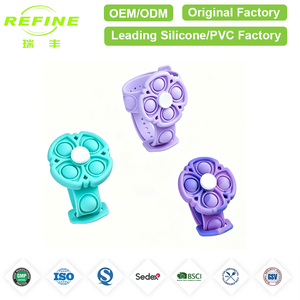
Refine Factory Silicone Fidget Spinner Bracelet Wearable Adjustable Rotatable Popper Wristband Stress Relief Sensory Finger Toy
- Material: 100% Food-Grade Silicone
- Feature: 360° Rotating Spinner & Push Pop
- Sizing: Multi-notch Adjustable Strap
- Compliance: EN71, CE, FDA Certified
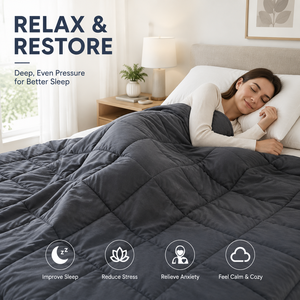
Bamboo Cotton Woven Breathable Wearable Glass Bead Weighted Blanket Soft for Sensory Needs Autism Home Airplane Travel Use
- Fabric: Natural Bamboo Cotton Blend
- Filling: Hypoallergenic Glass Micro-beads
- Target: Autism, ADHD, Sleep Therapy
- Safety: Oeko-Tex Standard 100
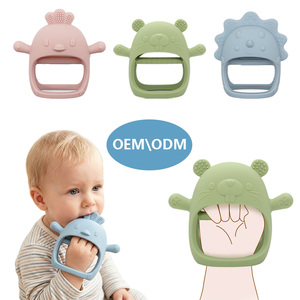
Wholesale Food Grade Silicone Baby Teether Wearable Animal Shape Anti-Drop Teething Toy for 3M+ Infants
- Age Range: 3 Months+ Infants
- Safety: BPA-Free, Phthalate-Free
- Design: Anti-Drop Ergonomic Hand Guard
- Sterilization: Boil & Steam Safe (220°C)
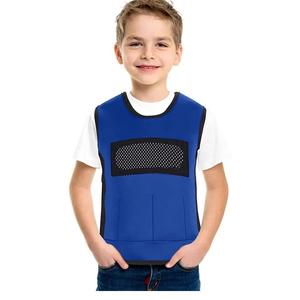
Sensory Compression Vest for Kids Deep Pressure Comfort Autism Sensory Processing Disorder Adjustable Breathable Polyester
- Therapy: Proprioceptive Deep Pressure
- Adjustability: Hook-and-Loop Shoulder & Sides
- Textile: Breathable Neoprene/Polyester
- Application: Classroom, Home, Clinic
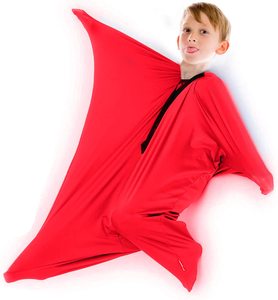
Four Way Elastic Seamless Fastener Dynamic Movement Autism Awareness Sack Sensory Body Sock Unisex Kids Special Needs
- Elasticity: 4-Way Stretch Spandex Matrix
- Closure: Safety Snap / Seamless Fastener
- Sizing: Small, Medium, Large, Adult
- Benefit: Spatial Awareness & Calmness
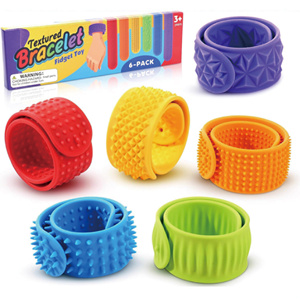
Hot Sell Silicone Sensory Texture Bracelet Autism Relief Stress Relief Pack 6 Multi-Surface Tactile Wristbands
- Textures: 6 Micro-Patterned Tactile Zones
- Pack Size: 6-Piece Assorted Multi-Color Set
- Durability: High-Tear Resistance Silicone
- Target User: Kids & Adults with Anxiety/SPD
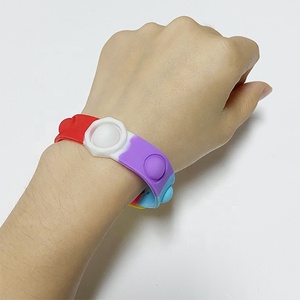
Customizable Adult Kids Stress Relief Wearable Silicone Pop Push Bubble Sensory Fidget Toy Wristband
- Customization: Panton Color Matching & Logo Prints
- Function: Tactile Auditory Pop Response
- Waterproof: 100% Washable & Reusable
- Certificates: RoHS, REACH, ASTM F963
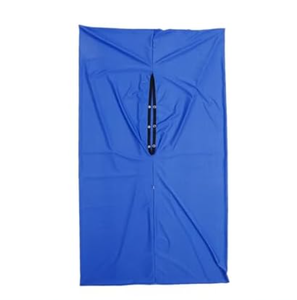
Sensory Sock Body Sock for Kids and Adults, Full Body Stretchy Fabric Proprioceptive Movement Wrap
- Fabric Density: 280 GSM Premium Nylon-Spandex
- Stitching: Reinforced Double-Lock Seams
- Enclosure: Pressure-Sensitive Touch Fastener
- Use Cases: Therapy Clinics, Home Calming Corners
Industrial Supply Chain Superiority & Engineering Excellence
Biocompatible & Medical Grade Polymers
China's leading sensory wearable factories leverage advanced Liquid Silicone Rubber (LSR) injection molding and zero-volatile organic compound (VOC) vulcanization. Every batch passes stringent FDA 21 CFR 177.2600 and EU No 10/2011 leaching protocols, ensuring maximum safety for chewable teethers and skin-contact wearables.
Proprioceptive Compression Engineering
Precision textile engineering combines high-denier spandex with breathability matrix weaves. Factories calibrate continuous tactile feedback (0.5–1.5 PSI distributed surface pressure) to effectively trigger parasympathetic nervous system responses in children with Autism Spectrum Disorder (ASD) and sensory overload.
Turnkey OEM/ODM Contract Manufacturing
From rapid 3D CAD rapid prototyping within 48 hours to custom aluminum tooling, in-house color lab matching via Pantone TCX, and private label eco-packaging, Chinese sensory wearable suppliers deliver end-to-end scalable supply chain solutions for global medical brands and specialized retailers.
Comprehensive Industry Whitepaper: The Evolution of Sensory Wearables Manufacturing in China
The global demand for sensory integration tools, special needs garments, and neurodivergent tactile accessories has witnessed exponential growth. Driven by expanding global healthcare diagnoses, increased awareness of Autism Spectrum Disorder (ASD), Attention Deficit Hyperactivity Disorder (ADHD), and Sensory Processing Disorder (SPD), the market requires products engineered with surgical precision, rigorous material non-toxicity, and therapeutic efficacy.
As the world’s preeminent manufacturing ecosystem, China has transitioned from high-volume standardized plastic molding to high-precision, clinically aligned sensory wearable production. This industry whitepaper analyzes the technical standards, sourcing metrics, material innovations, and regulatory landscapes defining top-tier Chinese sensory product suppliers in 2025 and beyond.
Key Insight for Global Procurement Officers: Modern sensory wearable sourcing is no longer defined strictly by unit price. Top-tier Chinese manufacturers now compete on biomechanical engineering, non-leachable polymer chemistry, cleanroom manufacturing compliance, and seamless integration with emerging haptic technologies.
Material Engineering Standards for Sensory & Special Needs Devices
Products engineered for direct sensory input—whether through deep pressure therapy, oral motor stimulation, or tactile fidgeting—must comply with extreme safety and durability benchmarks. Tier-1 suppliers in China adhere to strict material science guidelines:
1. Medical & Food-Grade Silicone Formulations
Silicone sensory products, such as wearable fidget bracelets, teething pendants, and textured wristbands, require high tear-strength platinum-cured silicone or Liquid Silicone Rubber (LSR). Unlike lower-grade peroxide-cured alternatives, platinum-cured silicone eliminates volatile organic byproducts, offering superior biocompatibility, thermal stability, and smooth tactile feel.
- Shore A Hardness Optimization: Ranging from 30A (soft, pliable oral teethers) to 60A (structural fidget spinners), engineered for precise tactile feedback.
- Chemical Compliance: Guaranteed free of Bisphenol A (BPA), Bisphenol S (BPS), Lead, Cadmium, Phthalates, and Polycyclic Aromatic Hydrocarbons (PAHs).
- Thermal Tolerance: Able to withstand repeated autoclave or boiling water sterilization up to 220°C without structural polymer degradation.
2. Proprioceptive Textiles & Deep Pressure Therapy (DPT) Engineering
Wearable compression garments—including sensory vests, body socks, and dynamic movement sacks—depend on non-restrictive multi-axial stretch fabrics. Leading manufacturers utilize high-density blending of Nylon (80–85%) and Elastane/Spandex (15–20%) at fabric weights between 260 GSM and 320 GSM.
This textile construction provides constant, distributed cutaneous pressure that stimulates muscle and joint proprioceptors. The resultant sensory signal increases serotonin and melatonin secretion while decreasing cortisol levels, assisting in self-regulation during sensory overload events.
3. Micro-Encapsulated Weighted Distribution Systems
Weighted sensory blankets and lap pads manufactured by top Chinese suppliers have moved away from irregular plastic pellets to micro-spherical high-density glass beads (0.8mm to 1.2mm diameter). Encapsulated within multi-tiered quilted pockets using double-stitched lock seams, these glass beads provide silent, uniform weight distribution without thermal insulation buildup.
Technical Specification Matrix: Material Standards in Sensory Wearable Production
| Product Category | Primary Material Standard | Key Performance Metric | Global Safety Certifications |
|---|---|---|---|
| Silicone Fidget & Teething Wearables | 100% Platinum-Cured Food/Medical Silicone | Tear Strength >25 kN/m; 200°C Temp Resistance | FDA 21 CFR 177.2600, EN71-3, LFGB, CPSIA |
| Sensory Compression Vests | Neoprene / 280GSM Breathable Polyester Blend | Adjustable 0.5 – 1.2 PSI Continuous Compression | Oeko-Tex Standard 100 Class I, REACH Compliance |
| Dynamic Movement Body Socks | 4-Way Stretch Spandex-Nylon (82/18 Matrix) | ASTM D4964 Elastic Recovery >98% after 5,000 cycles | CE Mark, ISO 10993 Biocompatibility Test |
| Wearable Weighted Blankets | Organic Bamboo Cotton + Micro-Glass Spheres | Zero Lead Glass Bead Encapsulation; <1% Shrinkage | Global Recycled Standard (GRS), Oeko-Tex Class I |
Future Development Trends in Sensory Wearable Technology
The sensory hardware sector is experiencing rapid technology convergence. China’s manufacturing landscape is transitioning from passive tactile devices toward intelligent, sensory-responsive wearable tech. Key development trajectories include:
1. Smart Haptic & Biometric Feedback Integration
Next-generation compression garments are integrating micro-electronic sensory actuators and textile-printed biosensors. These components track heart rate variability (HRV), galvanic skin response (GSR), and surface body temperature to detect escalating autonomic nervous system distress before external meltdown symptoms manifest. Once detected, micro-actuators automatically modulate local pneumatic compression or gentle rhythmic tactile pulsing.
2. Sustainable & Bio-Based Elastomers
Environmental responsibility is reshaping polymer selection. Forward-thinking Chinese suppliers are adopting bio-based thermoplastic polyurethane (TPU) derived from plant starches and recycled ocean plastics for textile coatings, replacing traditional petroleum-heavy synthetic foams while maintaining allergen-free medical standards.
3. Sonic Welding & Seamless Ergonomic Construction
To eliminate sensory triggers caused by standard raised seams, factories are investing in ultrasonic bonding and seam-free knitting technology. Ultra-smooth ultrasonic welds remove tactile friction points against hypersensitive skin, which is critical for pediatric patients diagnosed with severe tactile defensiveness.
Future Procurement & Global Sourcing Trends
Global distributors, medical device brand owners, and healthcare procurement specialists facing volatile global supply chains must adapt to changing procurement practices:
- Demand for Micro-Batch & Agile OEM Tooling: Modern B2B buyers require flexible Minimum Order Quantities (MOQs) for specialized color runs and regional sizing variations. Advanced suppliers utilize modular mold inserts to reduce tooling costs and cut prototyping lead times from months to under two weeks.
- Full Traceability & ESG Compliance: Enterprise buyers require complete supply chain transparency. Top China suppliers provide audit-ready documentation for raw material sourcing, factory labor standards (BSCI, SMETA), and zero-discharge environmental compliance.
- Digital Quality Assurance (DQA) Protocols: Leading factories implement automated optical inspection (AOI) systems to detect micro-cracks in silicone molds and machine-vision stitch verification for high-stress seams, lowering AQL failure rates below 0.5%.
Evaluating Enterprise Manufacturing Capabilities: The Chinese Advantage
Selecting the right OEM/ODM vendor in China requires evaluating technical capacity, quality control management systems, and regulatory alignment. A premier factory partner typically maintains:
- Cleanroom Manufacturing Environment: Class 100,000 cleanrooms dedicated to liquid silicone injection and medical-grade packaging to prevent dust contamination.
- In-House Testing Laboratories: Tensile testing equipment, color fastness testers, heavy metal spectrographs, and wash-cycle endurance simulators to perform immediate pre-shipment quality verification.
- Intellectual Property (IP) Protection Controls: Strict non-disclosure agreements (NDAs), segmented production floors, and encrypted digital asset management to protect private-label designs and proprietary patent concepts.
Frequently Asked Sourcing & Procurement Questions
Direct technical answers for commercial buyers, medical distributors, and private label brands evaluating Chinese sensory product suppliers.
What certifications are required when importing sensory wearables into North America and Europe?
For North America, products intended for children must comply with CPSIA (Lead and Phthalate limits), ASTM F963 (Toy Safety), and FDA 21 CFR 177.2600 if food-grade silicone contact is involved. For the European Union, compliance with CE marking, EN71 Parts 1, 2 & 3, REACH SVHC chemical registration, and Oeko-Tex Standard 100 (for textiles) is mandatory. Leading Chinese suppliers provide full testing reports issued by accredited third-party labs like SGS, TÜV, or Intertek.
Can your factory customize the compression pressure levels for sensory vests and body socks?
Yes. Compression intensity is controlled by adjusting the elastomer weave ratio (spandex denier count), fabric density (GSM), and pattern dimensions. Factories can engineer custom pressure gradients ranging from gentle grounding stimulation (0.5 PSI) to firm clinical compression (1.5 PSI) tailored for specific therapeutic age demographics.
What is the typical lead time for custom tooling and mass production of silicone sensory items?
3D prototypes and sample molds are generally delivered within 3 to 7 business days. Custom steel/aluminum production molds require 15 to 25 days depending on cavity complexity. Once mold validation is approved, standard mass production lead times range between 20 to 30 days for volume orders up to 50,000 units.
How do Chinese manufacturers guarantee glass bead encapsulation safety in weighted blankets?
Premium manufacturers employ a multi-barrier defense system: micro-glass beads are pre-sealed within inner non-woven polyester fabric pouches before being inserted into outer quilted compartments. All structural perimeter seams utilize high-tensile polyester thread sewn with high-density lock-stitching to ensure zero bead migration or burst hazards, even under industrial laundering tests.
What are the typical Minimum Order Quantities (MOQ) for custom OEM private-label branding?
For standard stock items requiring logo laser engraving or custom packaging, MOQs start as low as 300 to 500 units per style. For custom-dyed pantone colors, proprietary textile blends, or custom silicone injection molds, MOQs typically range from 1,000 to 3,000 units per production run.
How can international buyers verify factory quality control standards before issuing a deposit?
Buyers can request ISO9001, ISO13485, or BSCI audit reports, order pre-production golden samples for destructive testing, or schedule live remote video audits. Additionally, third-party pre-shipment inspections (PSI) according to ISO 2859-1 (AQL 1.0 Major / 2.5 Minor) are standard practice prior to final balance payment.
Partner With China's Leading Sensory Wearables Manufacturer
Accelerate your product development lifecycle with certified medical-grade materials, custom prototyping, and dependable high-volume OEM/ODM capacity.
Send an Inquiry