
Featured AI Smart Visors & Intelligent Eyewear
Direct factory-grade AI wearables engineered for real-time translation, visual assistive technology, HD video recording, and open-ear acoustic performance.
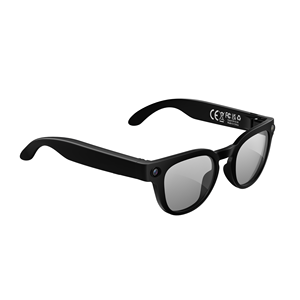
New Vision MT3 Smart AI Glasses With 8MP Camera HD Touch Button AI Translation
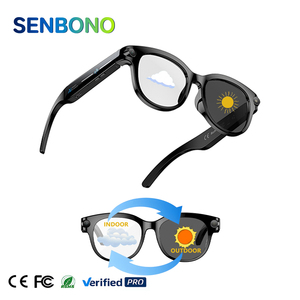
SENBONO M89 Smart Polarized Glasses Dual Camera 2MP IPX5 Photochromic Lenses

Professional AI Smart Translation Glasses 164+ Languages Real-Time Audio
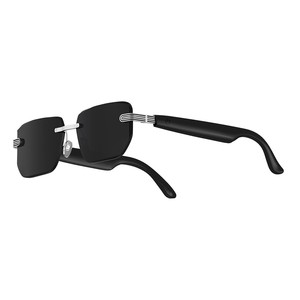
AI Smart Glasses Real-Time Translation 145 Languages Photochromic Video Lenses
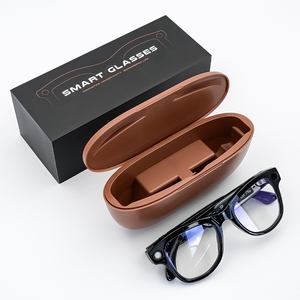
SANVNET GS5 MAX 2026 AI Smart Glasses with Charging Case 8MP 4K Camera
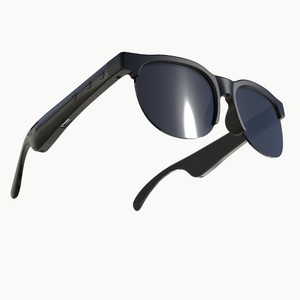
New Smart Glasses: Bluetooth Glasses with Open-Ear Calling for Outdoor Sports
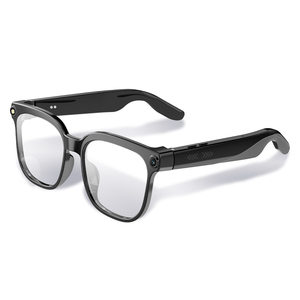
AI Smart Glasses with HD Camera Real-Time Translation Touch Intelligent Recognition
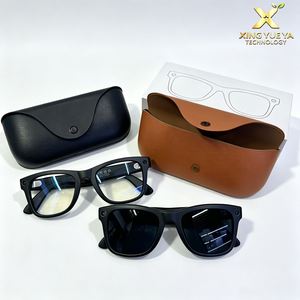
MT5-Ultra AI Smart Glasses Real-Time Trans 8MP Camera 1080P Wi-Fi Charging Case
1. Industry Overview: China’s Role in Next-Generation Smart Visor Manufacturing
The global wearable device landscape is undergoing a paradigm shift from traditional smart displays to integrated AI-driven optical visors. As search engines transition toward multi-modal search intent and semantic computing, hardware architectures must keep pace. China has solidified its position as the world's premier manufacturing ecosystem for smart visors, AI spectacles, and visual assistive hardware. By converging ultra-low-power silicon, microscopic optical waveguides, edge neural processing units (NPUs), and precision injection molding, leading Chinese factories provide unparalleled OEM/ODM scalable production capabilities for international brands, assistive technology agencies, and enterprise tech providers.
SEO & Industry Gain Insight: Sourcing smart visors directly from specialized Chinese OEM suppliers provides an estimated 40% reduction in R&D time-to-market while guaranteeing strict adherence to ISO 9001, ISO 13485, CE, FCC, and RoHS compliance frameworks.
Smart visors are no longer just passive sun protection or static heads-up displays (HUDs). Modern implementations integrate 8MP to 4K CMOS sensor cameras, dual micro-beamforming microphone arrays, direction-focused open-ear acoustic drivers, and photochromic optical elements. Whether deployed in business multi-language interpretation, sport head-gear, industrial hands-free diagnostics, or specialized accessibility tools for blind and low-vision populations, China's smart visor manufacturing clusters offer vertically integrated component sourcing from raw optical resin processing to encrypted cloud firmware deployment.
Key Technological Foundations of Modern Smart Visors
Exploring the integrated hardware and software stack engineered inside premium Chinese optical facilities.
Edge AI & On-Device Computer Vision
Offloading core image recognition, text-to-speech (TTS), and spatial depth sensing to local RISC-V or Snapdragon processors guarantees real-time feedback with zero network dependency.
Spatial Open-Ear Acoustics
Directional audio conduction technology isolates sound projection strictly toward the wearer's ear canal, providing privacy during AI translations or calls while leaving the ear open for environmental awareness.
Dynamic Photochromic Optics
Advanced photochromic lenses transition instantly under ambient UV exposure, safeguarding eyes against glare while maintaining crystal-clear light transmission across indoor and outdoor environments.
2. Technical Product Development Trends (2026–2030)
Understanding the multi-year technology roadmap is vital for enterprise buyers, distributors, and brand managers placing high-volume procurement orders. Based on engineering benchmarks from high-tech manufacturing centers in Shenzhen, Dongguan, and Hangzhou, five primary technological trajectories define the future of smart optical visors:
A. MicroLED and Diffractive Optical Waveguides
Traditional liquid crystal displays (LCD) and bulky prisms are rapidly being phased out in favor of surface relief diffractive waveguides coupled with MicroLED projectors. This transition drops engine volume below 0.5cc, allowing smart visors to maintain identical form factors to traditional high-end sports frames while projecting full-color 1080p HUD content directly onto the focal plane.
B. On-Device Large Language Model (LLM) Inference
While early-generation translation glasses relied exclusively on smartphone cloud API bridging, 2026+ smart visors integrate quantized 1B to 3B parameter edge LLMs directly into on-board flash memory. This delivers instantaneous, multi-lingual voice recognition and contextual scene description in sub-second timelines even within subterranean or remote offline environments.
C. Ergonomics, Sub-50g Weight Distribution & Thermal Dissipation
Thermal management remains a core bottleneck in wearable electronics. Advanced factories now utilize magnesium-titanium alloy bridge skeletons, graphite heat spreading sheets embedded inside optical arms, and dual 145mAh curved batteries distributed across both temples. This architectural balance ensures total device weight remains strictly under 49 grams while operating continuously without surface thermal discomfort.
D. Advanced Visual Assistive Technology Integration
A rapidly rising sector within smart visor manufacturing is specialized assistive eyewear designed for low-vision individuals suffering from visual impairments like macular degeneration, glaucoma, and retinitis pigmentosa. Built-in wide-angle low-light cameras capture ambient scenes, convert optical input into structural object vectors, and deliver descriptive natural voice narratives via open-ear speakers.
3. Enterprise Manufacturing Specifications Reference
Below is the technical matrix highlighting standard versus enterprise OEM manufacturing capabilities available across leading Chinese supply channels:
| Technical Parameter | Commercial Grade Specification | Enterprise / OEM Custom Grade |
|---|---|---|
| Camera Module | 2MP to 8MP CMOS Sensor (1080p@30fps) | 8MP 4K Sony IMX Sensor with EIS Stabilization |
| AI Translation Matrix | 145 to 164 Languages (Cloud Tethered) | 164+ Languages + Offline NPU Engine Vectoring |
| Lens System | UV400 Polarized Resins | Fast-acting Photochromic / Prescription Optical Inserts |
| Audio Processing | Single Speaker Open-Ear BLE 5.0 | Dual Mic ENC Noise Reduction + Beamforming Audio |
| Battery Architecture | 180mAh Single Cell (3-4 Hrs Active) | 290mAh+ Dual Temple Cells + Quick Charging Case |
| Water Resistance | IPX4 Splash Resistant | IPX5 / IPX7 Sealed Ultrasonic Acoustic Gaskets |
4. Strategic B2B Procurement & Sourcing Guidance
Navigating the Chinese manufacturing ecosystem requires a deep understanding of tier-one supplier selection, component sourcing transparency, and quality assurance workflows. Global importers must establish structured vendor auditing guidelines to guarantee long-term margin stability and brand reputation.
Factory Qualification Checklist for B2B Importers:
- Cleanroom Facilities: Optical assembly requires Class 10,000 or Class 1,000 dust-free cleanrooms to prevent particulate contamination between optical lenses and sensor glass.
- SDK & Firmware Customization: Professional OEM vendors provide full open API access, Bluetooth protocol documentation, and customized OTA (Over-The-Air) server bridge setup for proprietary software ecosystem alignment.
- Supply Chain Transparency: Verify primary suppliers for micro-speakers, battery cells (UN38.3 & MSDS certified for international air freight), and master microprocessors.
- Regulatory Compliance: Ensure full export documentation including FCC ID, CE RED certification, RoHS heavy metal testing, and FDA registration for light-emitting optical devices.
Supply Chain Strategy Tip: When evaluating suppliers for smart translation visors or vision-aid hardware, request a 3-stage validation process: (1) Golden Sample Verification, (2) EVT (Engineering Validation Test) run of 100 units, and (3) Automated Acoustic & Optical Chamber Testing report prior to mass production clearance.
5. Enterprise Advantages & Strategic OEM Manufacturing Capabilities
Derived from our deep operational roots in computer vision, wearable device design, and assistive optical innovation, our partner production infrastructure delivers complete end-to-end hardware solutions for international brands:
Full-Stack R&D Integration
From schematic PCB layout design and antenna tuning (RF) to custom optical lens coating and algorithmic spatial audio calibration.
Automated Quality Assurance
100% automated optical inspection (AOI), acoustic frequency testing in soundproof chambers, and 48-hour burn-in battery endurance cycling.
Ethical Sourcing & Compliance
Complete adherence to global environmental standards, non-conflict mineral sourcing, and recyclable structural polymer packaging.
6. Comprehensive B2B Sourcing & Technical FAQ
Partner with China’s Premier Smart Visor Engineers
Ready to launch your brand's AI smart glasses, expand your visual technology product line, or request wholesale factory pricing? Contact our engineering and sales teams today.
Contact Us