
Featured AI & Tactile Smart Eyewear Portfolio
Discover our factory-direct selection of high-performance smart eyewear featuring precision optic sensors, real-time AI translation, hands-free voice assistance, and tactile user interface architectures designed for global distribution.
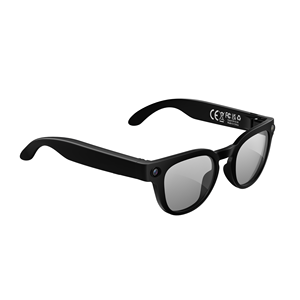
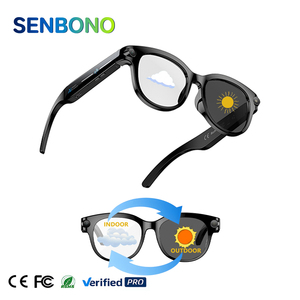

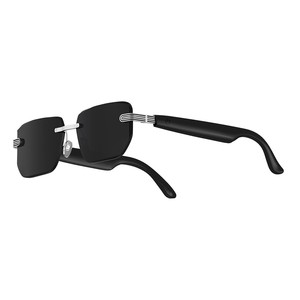
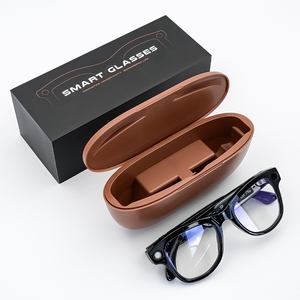
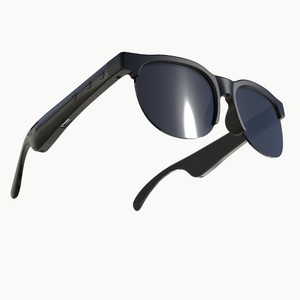
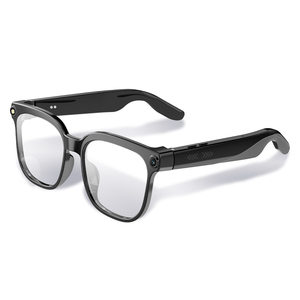
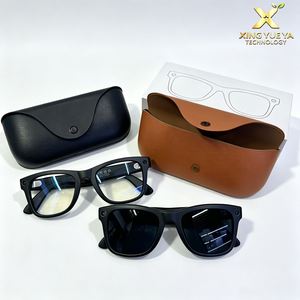
1. Industry Whitepaper: The Evolution of China Tactile & AI Assistive Eyewear Manufacturing
The global smart wearable ecosystem is undergoing a structural paradigm shift. As traditional audio smart glasses merge with multimodal Artificial Intelligence (AI) and spatial computing, China has emerged as the definitive global manufacturing powerhouse for next-generation tactile eyewear and visual assistive hardware. Tactile eyewear represents a sophisticated convergence of ergonomic physical design, haptic perception nodes, edge computer vision, and hands-free natural user interfaces (NUI).
Historically, wearable vision aids for visually impaired users and industrial operators suffered from high cost, heavy battery form factors, and cumbersome cable interfaces. Today, top Chinese exporters and original equipment manufacturers (OEMs) have mastered the integration of micro-LiDAR proximity sensors, dual-camera depth mapping engines, ultra-low power System-on-Chips (SoCs), and open-ear directional acoustics into frames weighing under 50 grams. By leveraging specialized supply chains across Shenzhen, Dongguan, and Wenzhou, leading factories provide complete turnkey ODM engineering—from PCB micro-miniaturization to specialized optical lens glazing.
2. Strategic Enterprise Advantages & Manufacturing Ecosystem
Sourcing tactile eyewear and smart AI glasses directly from top-tier Chinese manufacturers grants international procurement agencies, low-vision clinics, and consumer tech brands unprecedented structural advantages:
Vertically Integrated SMT & Assembly Lines
Our manufacturing infrastructure houses high-speed Surface Mount Technology (SMT) cleanroom facilities capable of placing 0201 micro-components with ±10-micron precision. This allows seamless integration of dual cameras, bone conduction transducers, and micro-haptic vibration motors within flexible frame temples.
Rigorous International Regulatory Compliance
All exported units undergo strict batch testing adhering to CE MDR (Medical Device Regulation), FDA Class I/II registration guidelines, FCC ID, RoHS, and UN38.3 lithium battery transport safety certifications. Our ISO 9001 and ISO 13485 certified facilities ensure batch-to-batch consistency.
Proprietary Edge-AI & SDK Customization
We empower B2B partners with open API and SDK access for firmware localization. From embedding 164+ language offline translation models to customizing tactile button logic, touch gestures, and haptic feedback frequencies, our software engineering team delivers tailored firmware builds within weeks.
3. Future Procurement & Technology Trends (2025–2030 Roadmap)
As commercial demand shifts from basic audio glasses toward intelligent tactile interfaces and multimodal spatial awareness devices, procurement officers must evaluate emerging technological vectors to future-proof their product portfolios:
1. Micro-Haptic Array Integration
Future tactile eyewear will transcend simple physical button controls. Factories are embedding micro-linear resonant actuators (LRAs) directly along frame temples and nose pads. These provide spatial direction cues—such as left/right directional vibrations for obstacle avoidance or double-pulse haptics when text recognition is locked.
2. Hybrid Offline-Cloud Visual LLMs
Dependence on high-latency cloud processing is waning. The next generation of China-manufactured visual smart glasses features hybrid neural processing units (NPUs). Core tasks like sub-second object hazard identification run locally on-device without internet access, while complex scene narration routes through low-latency cloud LLMs when Wi-Fi/4G/5G is present.
3. Modular Prescription & Filter Optics
Cross-border buyers are prioritizing modular frame designs. Magnetic clip-on polarized sunglasses, anti-blue light computer lenses, and customizable prescription lens inserts allow a single smart frame chassis to serve diverse consumer demographics—from outdoor sports enthusiasts to low-vision rehabilitation clients.
4. Technical Engineering Benchmarks & Sourcing Matrix
Below is a comparative breakdown of key hardware metrics offered across our export grade product tiers to assist international buyers in selecting the optimal OEM/ODM specifications:
| Specification Tier | Consumer Audio/Translation | Tactile AI Video & Camera | Medical Assistive Vision Grade |
|---|---|---|---|
| Core Target User | Business Travelers, Sports, Daily Audio | Content Creators, Field Operators | Visually Impaired & Rehabilitation |
| Camera Module | N/A or Micro 2MP Photo | 8MP 4K Ultra-HD / Wide-Angle | HD Low-Light Sensor + Micro Depth LiDAR |
| Tactile / Control Nodes | Single Capacitive Touch Bar | Dual Touch Nodes + Physical Keys | Multi-Pattern Haptic LRAs + Raised Tactile Buttons |
| Audio Interface | Open-Ear Directional Stereo | Noise-Canceling Dual Mics + BT 5.3 | Bone Conduction + Ambient Audio Bypass |
| Battery Capacity | 180mAh – 220mAh (4-6 hrs) | 290mAh – 400mAh + Charging Case | Dual Temple Split Batteries (All-Day Duty) |
| Waterproof Grade | IPX4 Sweatproof | IPX5 Water Resistant | IPX6 Industrial Sealed |
5. OEM/ODM Sourcing Guide: Step-by-Step Production Protocol
Establishing a high-yield manufacturing partnership with Chinese tactile eyewear exporters requires a structured procurement protocol to mitigate risk and accelerate time-to-market:
Stage 1: Industrial Design & Ergonomic Prototyping (Weeks 1–3)
Collaborative CAD modeling and 3D resin printing to validate temple weight distribution, touch-button tactile placement, nose-bridge comfort, and heat dissipation pathways from the processor.
Stage 2: Tooling & Mold Precision Engineering (Weeks 4–7)
Steel mold fabrication for TR90, acetate, or titanium frame structures. Optical mold tooling for specialized lenses ensuring zero chromatic aberration for embedded camera modules.
Stage 3: Firmware Flashing & AI Integration (Weeks 8–9)
Customizing voice prompt synthesis, loading custom language packs (164+ languages), setting touch/haptic response times, and calibrating camera white balance and optical character recognition (OCR) algorithms.
Stage 4: Mass Assembly & AQL 1.0 Quality Control (Weeks 10–12)
100% automated optical inspection (AOI), acoustic frequency sweep tests, drop tests, thermal cycling (-20°C to 60°C), and waterproof chamber testing prior to automated export packaging.
6. Frequently Asked Questions (B2B Sourcing & Procurement FAQ)
Ready to Scale Your Smart Eyewear Supply Chain?
Partner with China's top tactile eyewear manufacturer and exporter. Contact our engineering and commercial sales team today for full product catalogs, OEM quotation sheets, and engineering evaluation samples.
Contact Us