
Premier China Tech Glasses Product Selection
Explore our flagship Smart AI Glasses lineup featuring real-time translation, multimodal vision recognition, high-definition spatial video capture, and open-ear acoustic engineering.
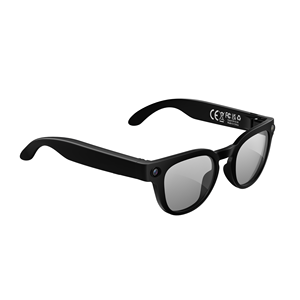
- 8MP Ultra-HD Integrated Camera
- Real-Time AI Voice Assistant
- HD Touch Control & Fast Charging
- Polarized UV400 Sport Sunglasses
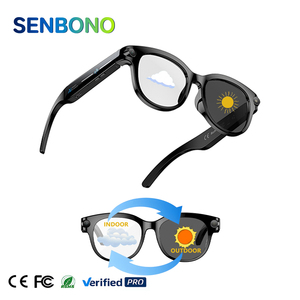
- Dual 2MP Camera Array
- IPX5 Waterproof & Dustproof
- Adaptive Photochromic Optics
- 290mAh High-Density Battery

- 164+ Language Real-Time Engine
- Anti-Blue Light Business Design
- Directional Open-Ear Audio
- Ultra-Light Half-Rim Frame
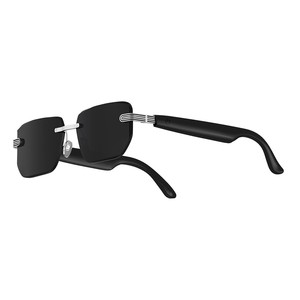
- 145 Multi-Dialect AI Engine
- Meeting Audio & Video Recording
- Photochromic Smart Tinting
- Integrated AI Voice Assistant
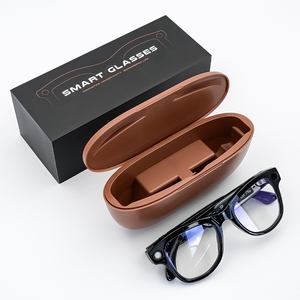
- 8MP Lens with 4K Interpolation
- High-Speed Wi-Fi Media Transfer
- Portable Battery Charging Case
- Multimodal AI Translation
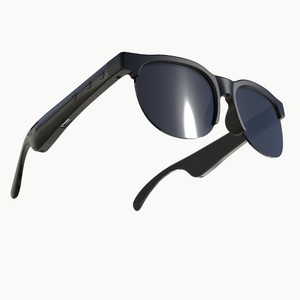
- Dual Noise-Canceling Mics
- Open-Ear Spatial Sound
- Ergonomic Sport Frame Design
- Cross-Border Hot B2B Model
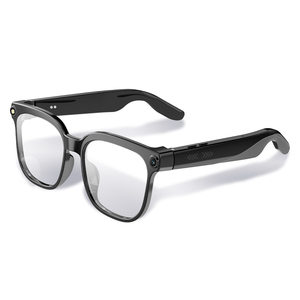
- Intelligent Visual Recognition
- Intuitive Frame Touch Control
- HD Video & Audio Capture
- Ultra-Low Power Processor
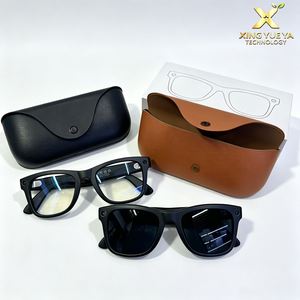
- 8MP Sensor / 1080P FHD Capture
- Fast Wi-Fi Media Offloading
- Smart Charging Dock Base
- Full-Spectrum AI Assistant
1. Executive Summary: The Strategic Evolution of Smart Eyewear Sourcing in China
The global wearable technology market is experiencing a structural paradigm shift. Smart glasses—once treated as a niche wearable product line limited to basic audio playback or rudimentary heads-up displays—have rapidly evolved into sophisticated Multimodal AI Hardware Platforms. China has emerged as the global epicenter for smart glasses R&D, component integration, micro-optics manufacturing, and mass export assembly.
For international buyers, brand owners, cross-border e-commerce distributors, and enterprise solution providers, navigating the Chinese supply chain requires deep technical clarity. Modern smart glasses combine high-density PCB layouts, low-power edge compute silicon, directional acoustic transducers, advanced camera modules (up to 8MP 4K video recording capabilities), and adaptive photochromic or prescription-ready optics within an ultra-lightweight frame weighing under 50 grams.
B2B Market Insight: The Information Gain Benchmark
Sourcing success in 2026 relies on moving beyond simple white-label assembly. Leading Chinese tech glasses manufacturers now provide modular SDK access, custom firmware development, localized LLM (Large Language Model) integration, and medical-grade ISO13485/ISO9001 quality assurances for assistive visual products.
2. Technological Architecture & Engineering Innovations
To evaluate a top China tech glasses supplier, enterprise procurement officers must understand the critical component layers that govern product performance, yield rates, and user retention:
A. Multimodal AI & Neural Translation Engines
Recent breakthroughs in Chinese smart eyewear center on on-device and hybrid cloud AI architectures. High-performance models like the MT3 and MT5-Ultra utilize ultra-low power Bluetooth Low Energy (BLE 5.4) and Wi-Fi dual-mode chipsets to achieve sub-second latency for bidirectionally translated audio. Supporting up to 164 languages and regional dialects, these smart glasses act as real-time interpreters for international business, travel, and cross-cultural communication.
B. Precision Visual Sensors & Thermal Management
Integrating 8MP optical sensors capable of 1080P/4K video recording into a 15mm eyewear temple presents extreme thermal and power constraints. Top Chinese exporters overcome heat dissipation challenges by implementing micro-copper vapor chambers, graphite heat spreaders, and dynamic duty-cycle sensor management. This enables extended video recording and AI visual scene recognition without exceeding comfortable skin contact temperatures (<38°C).
C. Directional Open-Ear Acoustic Systems
Safety and situational awareness are paramount. Modern smart glasses utilize directional acoustic speakers positioned right above the user’s ear canal. By leveraging phase-cancellation acoustic algorithms, suppliers achieve crisp voice fidelity and deep bass while minimizing sound leakage to bystanders—ensuring total privacy during phone calls or confidential meeting recordings.
| Technology Layer | Legacy Smart Glasses (2020-2023) | Next-Gen China AI Glasses (2024-2026) | Enterprise Business Benefit |
|---|---|---|---|
| Primary Compute | Basic MCU / Single-core BT Chipset | Dual-Core RISC-V + Edge NPU AI Accelerator | Real-time edge processing & multi-modal AI tasks |
| Camera Module | VGA or 2MP Fixed Focus | 8MP Wide-Angle + 4K Interpolation + EIS | Clear visual scene interpretation & HD recording |
| Optics & Lenses | Standard TAC Polarized Lenses | Electrochromic & Fast Photochromic UV400 | Seamless indoors-to-outdoors visual transition |
| Translation Capability | App-dependent (High Latency) | Direct AI Engine (164+ Dialects, <600ms) | Hands-free, natural conversational translation |
| Battery Architecture | Single Temple Battery (110mAh) | Dual Temple Balanced Cell + Fast Docking Case | All-day battery life with rapid 15-min top-ups |
3. Global Procurement Trends & Future Outlook (2026-2030)
As global demand for hands-free computing accelerates, B2B procurement strategies for smart glasses are shifting dramatically. Key macro-trends shaping international supply agreements include:
1. Convergence of Visual Assistive Technology and AI Consumer Eyewear
As pioneered by assistive vision brands like Sprhava, the technology used to assist visually impaired individuals—such as scene description, obstacle recognition, text-to-speech reading, and facial detection—is merging with mainstream consumer smart glasses. Top exporters are manufacturing multi-purpose platforms that cater to both low-vision rehabilitation channels and general consumer productivity markets.
2. Custom Firmware & Localized Software Ecosystems
Global importers no longer want rigid, generic mobile applications. Top Chinese manufacturers now offer turn-key white-label software packages. This allows overseas brand partners to link smart glasses to their proprietary LLM endpoints (e.g., OpenAI API, Google Gemini, Anthropic Claude, or localized corporate AI databases), guaranteeing compliance with regional data privacy laws such as GDPR and CCPA.
3. Micro-Display & Waveguide Optics Integration
While audio-and-camera AI glasses represent the bulk of high-volume sales today, the market is rapidly moving toward light-guided diffractive waveguides paired with Micro-LED displays. Suppliers in Shenzhen and Jiangsu are investing heavily in automated optical alignment lines to bring true heads-up AR displays to market under $150 FOB price points.
4. Key Corporate Advantages of Partnering with Leading Chinese Suppliers
Choosing the right manufacturing partner in China is critical to avoiding supply chain bottlenecks, compliance rejections, and product returns. Leading manufacturers offer concrete structural advantages:
- End-to-End OEM/ODM Capability: Complete in-house lifecycle management—from industrial design, optical simulation, tooling, and high-precision SMT surface mounting to final cleanroom assembly.
- Rigorous Quality Assurance Standards: ISO9001 and ISO13485 certified facilities utilizing 100% automated optical inspection (AOI), acoustic chamber testing, IPX5/IPX7 water-ingress testing, and drop/hinge fatigue testing.
- International Certification Compliance: All export units comply strictly with CE-RED, FCC ID, RoHS, REACH, UN38.3 (battery transport safety), and FDA Class I medical/accessibility registration requirements.
- Agile Supply Chain Clusters: Located in the Pearl River Delta electronics hub, leveraging immediate access to top-tier lens molders, battery chemistry innovations, and high-resolution CMOS sensor foundries.
5. Frequently Asked Questions (B2B Procurement & Sourcing FAQ)
For standard catalog products with customized logo printing and branded packaging, MOQ typically starts at 500 to 1,000 units. For deep ODM projects involving custom frame mold injection, proprietary PCB layout, or bespoke firmware integration, MOQs generally start at 3,000 to 5,000 units.
Leading suppliers integrate direct low-latency BLE 5.4 or Wi-Fi audio streaming modules paired with specialized speech-encoding codecs (such as LC3 or AAC). On the cloud backend, API pipelines connect directly to ultra-fast translation nodes (e.g., DeepL, Google Cloud Translate, or custom whisper models), achieving full sentence translation in under 600 milliseconds under standard 4G/5G networks.
Yes. Most professional smart glasses frames—including half-rim, full-rim, and business series—are engineered with standard lens groove dimensions. Optical retailers can easily fit custom single-vision, progressive, anti-blue light, or photochromic prescription lenses directly into the frame.
For North America: FCC ID (for radio frequency compliance), FDA registration (if marketed with visual correction or assistive medical claims), and UL/UN38.3 certification for lithium batteries. For Europe: CE-RED (Radio Equipment Directive), RoHS, REACH, and EN62471 eye safety certification for optical/laser components.
Smart glasses contain built-in lithium-ion batteries. All export shipments come fully accompanied by MSDS (Material Safety Data Sheet), UN38.3 test reports, and air/sea transport clearance certificates. We offer DDP (Delivered Duty Paid), FOB, and CIF terms with specialized hazardous-goods logistics partners.
Yes. Top-tier Chinese exporters provide comprehensive Android and iOS SDKs, Bluetooth communication protocols, and API documentation. Your software engineering team can effortlessly connect the smart glasses hardware directly to your private AI models, enterprise cloud, or branded mobile app.
Ready to Scale Your Smart Eyewear Lineup?
Connect directly with China’s top tech glasses engineering and export team. Get instant pricing, OEM/ODM customization options, and sample evaluation units today.