
Precision Visual & Sensory Assistive Technology
Direct-from-factory solutions engineered for low vision, elderly care, clinical diagnostic assistance, and cognitive rehabilitation.
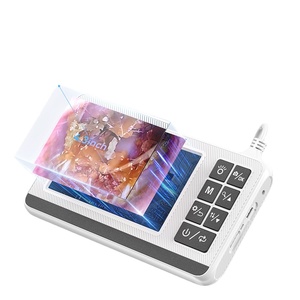
4.3 Inch Screen HD P60 Otoscope Visual Ear Scoop Endoscope Ear Picking Digging Functions Explosion Visualization Hearing Aid
Send an Inquiry
Sensory Toy Dementia Alzheimers Plush Fidget Ball Seniors Adults Calming Anxiety Relief Busy Hands Tactile Activity Aid
Send an Inquiry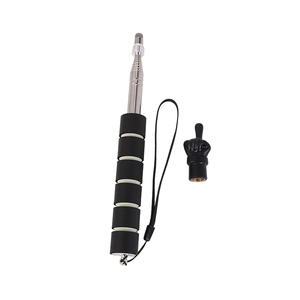
Chinese Manufacturer Tactile Finger Reading Stick Portable Finger Reading Aid Visually Impaired Finger Reader
Send an Inquiry
Cross-Border Children's Paper Visual Time Chart Non-Verbal Communication Visual Aid Schedule Planning Daily Cards
Send an Inquiry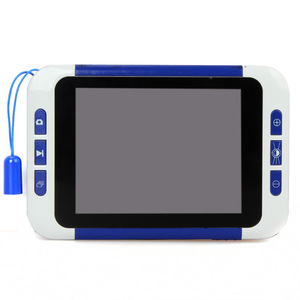
3.5 Inch Visual Aid Low Vision Reader Elderly Children Visual Aid Portable Handheld Electronic Magnifying Glass
Send an Inquiry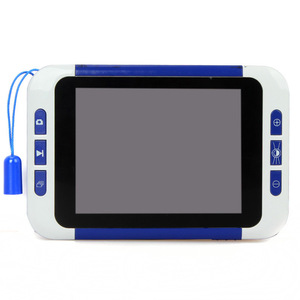
Portable Handheld 3.5 Inch LCD Electronic Video Magnifier, Digital Low Vision Reading Aid Visual Helper for Elderly Seniors
Send an Inquiry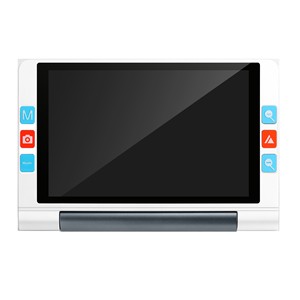
8-Inch HD Electronic Visual Aid Auto-Focus Dual-Purpose for Far Near Use Bracket-Type Low-Vision Reading Magnifier Model YS019
Send an Inquiry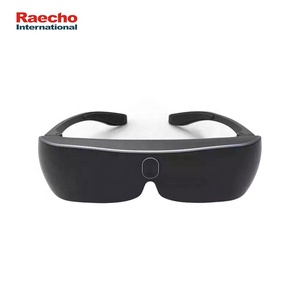
New Arrival Navigation Aid Blind Visual Aid AR Glasses Low Vision Aid Magnifying Glass
Send an InquiryWhy Sourcing from Leading Chinese Visual Aid Manufacturers Gives You a Competitive Edge
Analyzing China’s integrated optical supply chains, micro-electronics manufacturing ecosystems, and rapid OEM/ODM deployment models.
End-to-End Vertical Integration
From precision optical glass grinding and CMOS sensor assembly to surface-mount technology (SMT) cleanrooms, Chinese export facilities provide seamless supply chain control that dramatically reduces unit production costs while preserving high structural tolerances.
Optoelectronic R&D Innovation
Leading factories collaborate directly with AI innovation centers to integrate micro-cameras, autofocus optical bracket systems, sub-second text-to-speech engine algorithms, and wide-angle low-distortion lenses into ultra-lightweight wearable form factors under 50 grams.
Global Regulatory Compliance
Export-ready visual aids are manufactured under strict ISO 13485 quality management standards, backed by CE MDR, FDA device registration, RoHS environmental safety, and FCC electromagnetic compatibility for rapid customs clearance across EU, US, and APAC ports.
Strategic OEM Advantage: Premium Chinese manufacturers support customized firmware flashing, multi-language audio packs (over 20+ regional dialects), white-label packaging, and clinician trial kits—empowering global distributors to penetrate local assistive technology programs quickly.
Future Procurement Trends in the Visual Assistive Technology Market
Essential market dynamics for institutional buyers, medical device importers, government accessibility funds, and healthcare distributors.
1. Convergence of Edge AI Vision and Wearable Spectacles
Traditional desktop magnifiers and passive optical hand readers are rapidly surrendering market share to wearable smart spectacles. Institutional procurement tenders are increasingly requiring real-time computer vision capable of performing scene description, face recognition, and spatial obstacle detection locally without relying on continuous cellular internet connections.
2. Multi-Sensory & Non-Verbal Tactile Integration
The global aging demographic, alongside rising diagnoses of macular degeneration, diabetic retinopathy, and age-related neurodegenerative conditions (such as Alzheimer’s and dementia), has driven high demand for multi-modal assistive aids. Combining tactile finger readers, sensory activity tools, and clear audio prompts allows healthcare providers to offer comprehensive holistic rehabilitation programs.
3. Dual-Purpose Optics & Auto-Focus Ergonomics
B2B buyers are prioritizing multi-scenario flexibility. Modern visual aids now incorporate dynamic auto-focus lenses capable of seamlessly switching between near-distance reading (such as reading fine-print medicine packaging or newspapers) and far-distance environmental scanning (such as identifying street signs or transit platform numbers).
4. Open-Ear Audio Mechanics & Spatial Awareness
A safety-first approach in visual navigation equipment has made open-ear directional speaker arrays standard requirement. By keeping the ear canal uncovered, assistive eyewear enables visually impaired users to hear ambient traffic noise, footsteps, and environmental mobility cues while simultaneously receiving clear, directional AI voice descriptions.
Key Engineering Breakthroughs Shaping Modern Visual Aids
How advanced optoelectronics and edge computing transform low vision care into intuitive everyday empowerment.
| Technology Vector | Legacy Assistive Equipment | Next-Generation Chinese OEM Innovations | Primary Clinical & User Benefit |
|---|---|---|---|
| Optical Display & Imaging | Monochrome standard resolution, fixed focus magnification lenses. | HD IPS 4.3" - 8" display panels, auto-focus dual-camera arrays, macro micro-endoscopes. | Eliminates visual distortion, provides vibrant high contrast, and enables clear close-up inspectability. |
| AI Processing Architecture | Cloud-dependent API queries with noticeable delay and high data costs. | On-device Edge Neural Networks (NPU processing) running local OCR and spatial segmentation models. | Sub-second real-time voice translation, zero latency obstacle warnings, and complete offline privacy protection. |
| Diagnostic Visualization | Separate diagnostic tools; blind probing ear-cleaning tools without visibility. | Integrated P60 visual otoscope endoscopes with built-in high-definition screen visual display feeds. | Safer personal hygiene maintenance, visual verification of ear canal health, and multi-functional clinical use. |
| Ergonomics & Materials | Bulky handheld magnifying glasses weighing over 350 grams. | Ultra-lightweight magnesium-aluminum alloys, ergonomic clip-on modules, balanced frame weight (<50g). | All-day comfort without nose bridge fatigue; allows completely hands-free mobility for white cane users. |
| Sensory & Cognitive Support | Basic static braille printed sheets or rigid plastic cards. | Plush tactile fidget activity balls, non-verbal paper visual schedule planning systems, finger readers. | Calms anxiety for dementia and Alzheimer’s patients; accelerates early child cognitive planning skills. |
How to Audit and Partner with China Visual Aid Exporters
A structured 4-phase evaluation framework for overseas buyers to guarantee product reliability and regulatory safety.
Phase 1: Compliance Audit
Verify factory certification documents (ISO 13485 quality systems, CE MDR declarations, FDA Medical Device Listing). Request full lab test reports regarding battery safety (UN38.3, MSDS) and optical safety standards.
Phase 2: Firmware Customization
Confirm the manufacturer's software engineering capabilities. Evaluate voice engine accuracy across regional dialects, verify offline optical character recognition (OCR) speed, and review user interface clarity for low vision users.
Phase 3: Sample Stress Testing
Perform rigorous drop testing, hinge flex durability testing, screen display color temperature accuracy checks, visual camera focus speed validation, and battery thermal endurance evaluations during continuous operation.
Phase 4: Order Execution & Logistics
Establish clear minimum order quantities (MOQs), production milestone schedules, customized packaging requirements, drop-shipping arrangements, and multi-year spare parts availability agreements for long-term support.
Frequently Asked Questions About Sourcing Visual Aids from China
Direct expert insights addressing clinical compliance, manufacturing lead times, customization capabilities, and international distribution.
What minimum order quantities (MOQs) do Chinese visual aid factories typically require for OEM projects?
Standard off-the-shelf electronic magnifiers and tactile activity products usually start at low MOQs of 50 to 200 units. For fully customized OEM orders involving branded hardware enclosures, custom firmware voice packs, or tailored packaging, initial production runs typically range between 500 and 1,000 units depending on plastic injection mold requirements.
Are electronic visual aids and smart glasses classified as medical devices for export?
Regulatory classification depends on the target country and intended clinical use. Basic electronic handheld video magnifiers and sensory fidget balls are often categorized as general wellness or low-risk accessibility items (Class I). However, AI visual navigation systems, visual otoscope endoscopes, or smart glasses intended for medical rehabilitation require FDA registration in the US or CE MDR compliance in Europe. Top Chinese suppliers maintain comprehensive registration dossiers to assist importers with medical customs clearance.
How do handheld electronic magnifiers assist elderly users with low vision?
Handheld electronic video magnifiers feature dynamic LCD screens (such as 3.5-inch to 8-inch displays) that offer adjustable digital magnification, high-contrast color modes (like white-on-black or yellow-on-blue text rendering), freeze-frame screen capture, and built-in auto-focus bracket stands. These features significantly reduce eye strain for seniors suffering from age-related macular degeneration or cataracts during daily reading tasks.
Can Chinese manufacturers customize text-to-speech (TTS) language engines for non-English markets?
Yes. OEM factories work directly with speech synthesis software providers to flash custom regional language packs into the device’s internal memory. Over 20+ speech languages—including German, French, Spanish, Arabic, Japanese, and specialized local dialects—can be pre-installed alongside customizable reading speeds and voice pitches.
What is the advantage of visual otoscope hearing and cleaning devices over traditional tools?
Visual otoscopes (such as 4.3-inch HD P60 endoscope models) integrate high-definition micro-cameras with cold-light LED illumination directly onto the ear scoop tool. By rendering real-time video feed onto an integrated visual screen, users and clinicians avoid blind ear cleaning, preventing ear drum punctures and helping inspect earwax build-up before fitting hearing aids.
How are sensory tactile products utilized in cognitive rehabilitation programs?
Sensory fidget balls, tactile activity cards, and paper visual time charts provide essential tactile and non-verbal stimulation. In patients suffering from Alzheimer’s, dementia, or severe autism, these tactile aids help soothe anxiety, keep hands occupied, reduce behavioral agitation, and establish clear structured daily routines.
What quality control testing procedures are conducted prior to factory shipment?
Leading Chinese exporters perform comprehensive quality checks: optical burn-in tests, display screen dead-pixel checks, lithium-ion battery charge-discharge cycle evaluations, drop and vibration transit testing, button endurance tests, and software firmware stability checks to ensure zero-defect arrivals.
What is the standard manufacturing lead time for bulk wholesale orders?
Standard order lead time for regular production models is generally 15 to 25 calendar days. Customized OEM projects requiring custom color injection molding, specialized software engineering, or bespoke packaging typically take 35 to 45 days from sample sign-off to container loading.
Partner with Leading Chinese Visual Aid Engineering Pioneers
Accelerate your product portfolio with direct factory-priced electronic visual magnifiers, AI smart eyewear, tactile reading tools, and sensory rehabilitation aids. Connect with our export directors for instant catalog quotes, engineering specifications, and custom OEM inquiries.