
Flagship OEM/ODM Smart Optical Aids & AI Eyewear
Engineered with high-definition cameras, multi-language translation engines, photochromic optics, and open-ear directional audio for low-vision and digital mobility support.
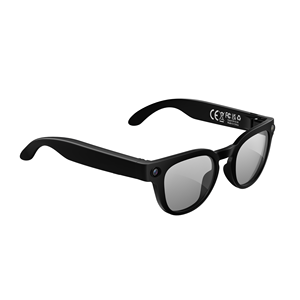
New Vision MT3 Smart AI Glasses With 8MP Camera HD Touch Button AI Translation Voice Assistant Fast Charging Sport BT Sunglasses
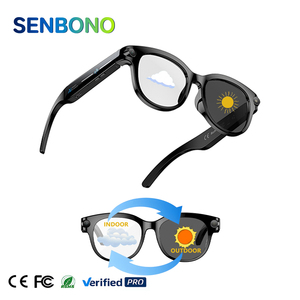
SENBONO M89 Smart Polarized Glasses Dual Camera 2MP IPX5 Waterproof Photochromic Lenses HD Video Recording 290mAh Battery AI

Professional AI Smart Translation Glasses 164+ Languages Real-Time Open-Ear Audio Anti-Blue Light Half-Rim Business Glasses
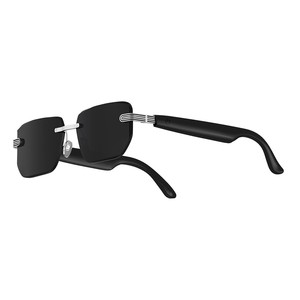
AI Smart Glasses Real-time Translation 145 Languages Photochromic Lenses Audio Video Calls Meeting Recording Voice Assistant
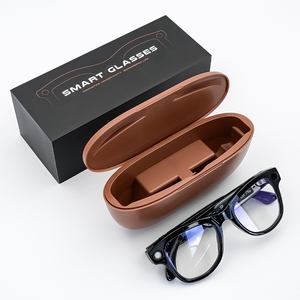
Newest SANVNET GS5 MAX 2026 AI Smart Glasses with Charging Case 8MP 4K Camera WIFI Smart Video Sunglasses Glasses Translation
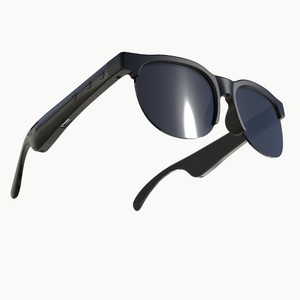
New Smart Glasses: Bluetooth Glasses with Open-Ear Bluetooth Calling for Outdoor Sports Cross-Border New Arrival
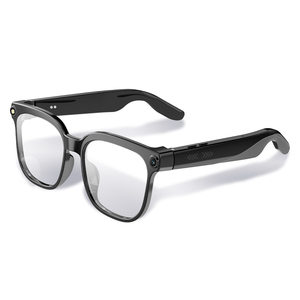
AI Smart Glasses with HD Camera Real-Time Translation Touch Operation Intelligent Recognition 16MB Camera Video Recording
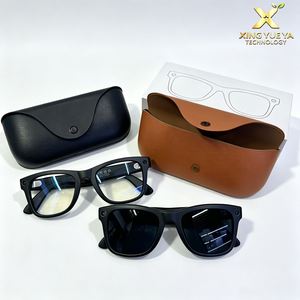
MT5-Ultra AI Smart Glasses Real-Time Trans 8MP Camera 1080P AI Translation Music Wi-Fi transmission with Charging case
The Paradigm Shift in Optical Aids: AI Vision & Multimodal Sensing
How computer vision, neural microprocessors, and advanced optical lenses are redefining visual assistive devices for global B2B procurement networks.
From Passive Magnification to Active AI Scene Perception
Traditional optical aids relied exclusively on visual magnification lenses, light refraction, and static magnifying glasses. Modern optical aid manufacturing has evolved into active visual assistance. Integrating high-aperture ultra-compact CMOS optical sensors (up to 8MP/4K video pipelines) with local Neural Processing Units (NPUs) enables smart spectacles to perceive, analyze, and describe environmental context in real-time. This transition allows visually impaired and low-vision users to convert visual visual input into immediate acoustic feedback, granting unprecedented daily mobility.
Sub-Second Edge Computing vs. Cloud Inference
Critical assistive applications—such as head-height obstacle detection, curb warnings, and tactile navigation support—cannot afford network latency. Leading export-grade optical aid frameworks utilize edge-first neural networks. By performing spatial segmentation, optical character recognition (OCR), and proximity computing directly on-device, processing latency drops under 200 milliseconds. Secure cloud processing is only leveraged for complex conversational scene summarization, ensuring high operational reliability even when users navigate offline or subterranean transit environments.
Directional Open-Ear & Bone-Conduction Acoustic Engineering
A major design constraint in visual assistive technology is ear canal occlusion. Covering a visually impaired individual's ears with traditional headphones disrupts their natural spatial awareness and acoustic navigation safety. Advanced optical aid factories now incorporate micro directional speakers and acoustic beamforming waveguides directly inside the temple stems. Sound waves are focused specifically toward the wearer's auditory canal without audio leakage, preserving 100% of surrounding ambient awareness.
Technical Architectural Breakthroughs in 2026 Smart Eyewear Sourcing
B2B importers and healthcare buyers require optical hardware capable of meeting rigorous clinical, ergonomic, and electronic safety benchmarks. OEM engineering priorities have consolidated around four core hardware capabilities:
- Adaptive Photochromic Lenses: Instant visual adjustment from indoor UV anti-blue filtration to outdoor Category 3 sun protection.
- Ultra-Low Power Dual-Battery Architecture: Temple-balanced lithium polymer cells providing 8+ hours of continuous speech synthesis and video recording.
- Multilingual NPU Firmware: Native offline embedded translation models supporting over 164 regional accents and dialects.
- Encrypted Privacy By Architecture: Automatic image buffer purging after NPU processing to comply with HIPAA and GDPR data regulations.
Global Sourcing Forecast & Supply Chain Roadmap for Importers
Strategic guidance for medical device distributors, government accessibility programs, and electronics brand buyers planning 2026-2030 optical inventories.
1. Custom Firmware & Modular SDK OEM Integration
Global distributors are shifting away from rigid off-the-shelf consumer gadgets. Market demand favors optical aid factories that offer modular firmware customization, branded software interfaces, and open API/SDK access. This allows regional health services, low-vision clinics, and accessibility agencies to load custom local language packs, tailored button gestures, and specialized visual impairment algorithms (e.g., specific focal enhancement for Macular Degeneration or Glaucoma management) directly onto the device firmware.
2. Harmonized Medical Class I & MDR Compliance Pathways
As smart glasses transition from novel consumer accessories to recognized electronic orientation and mobility aids, customs compliance and medical device certification become crucial B2B qualifiers. Exporters maintaining ISO 13485 certified cleanroom manufacturing line facilities, CE MDR registration, FDA Class I/II device listings, and RoHS/REACH material safety compliance provide importers with streamlined customs clearance and eligibility for national healthcare reimbursement channels.
3. Clip-On Modules & Universal Prescription Lens Compatibility
One frame does not fit all. Procurement trends emphasize universal optical adaptability. Modern factory design incorporates quick-release magnetic clip-on visual engines, enabling low-vision users to attach AI sensing modules directly onto their existing prescription optical lenses, high-contrast filters, or prism eyewear without sacrificing aesthetic style or incurring massive custom lens regrinding costs.
4. Sustainable Bio-Acetate & Circular Repairability Standards
Institutional purchasing guidelines across North America and Western Europe increasingly require sustainable materials and extended repairability lifecycles. Leading optical exporters utilize hypoallergenic bio-acetate frames, recyclable TR90 polymers, and modular temple hinge replacement kits, lowering the total cost of ownership (TCO) for government accessibility programs and institutional distributors.
Institutional Product Benchmark Matrix
A comparative engineering evaluation across target operational parameters for commercial and medical-grade optical assistive products.
| Performance Specification | Consumer Audio Eyewear | Standard AI Translation Glasses | Sprhava Industrial / Medical Vision Aid |
|---|---|---|---|
| Target Application | Music, Calls, Voice Assistant | Travel, Business Meetings | Low Vision Assistance, Mobility, OCR |
| Optical Camera Module | None (Audio Only) | 2MP - 5MP Standard CMOS | 8MP 4K HDR Ultra-Wide Low-Distortion |
| NPU Processing Latency | N/A | < 1.2 Seconds (Cloud Dependent) | < 200ms Local Edge Inference Engine |
| Acoustic Output Engine | Micro Speakers (High Leakage) | Open-Ear Stereo Drivers | Directional Acoustic Beamforming Waves |
| Language Engine Support | Smartphone OS Default | 80 - 145 Languages (Online) | 164+ Languages + Offline NPU Engine |
| Total Frame Weight | 35g - 45g | 42g - 58g | Under 49g (Balanced Weight Stem) |
| Quality & Compliance Standard | CE, FCC, Consumer RoHS | CE, FCC, Telec | ISO 13485, CE MDR, FDA Registered |
Why Global Importers Partner With Our Manufacturing Facility
Combining deep optical engineering experience with rigorous industrial quality management to deliver market-ready wearable smart eyewear worldwide.
Advanced Dust-Free Optical SMT Lines
Our state-of-the-art production facilities house automated Surface Mount Technology (SMT) cleanrooms dedicated to miniaturized PCB assembly, high-precision micro-lens alignment, and automated NPU programming. Every single optical module undergoes stringent MTF optical clarity testing and thermal performance benchmarking before frame enclosure.
Dedicated R&D Center & Computer Vision Lab
With over 45 resident optical engineers, hardware architects, and embedded NPU developers, our research team maintains strategic partnerships with low-vision clinics and accessibility organizations. We continuously refine algorithm precision for real-time text-to-speech reading, face recognition, currency identification, and spatial hazard detection.
Turnkey OEM/ODM Global Export Logistics
As a seasoned global exporter, we provide seamless door-to-door international logistics, full customs documentation support, multi-tier packaging customization, and complete firmware pre-flashing services. Whether you require small-batch trial orders or multi-thousand unit institutional rollouts, our flexible supply chain guarantees rapid turnaround times.
Frequently Asked Questions
Technical, commercial, and logistical guidance for procurement managers evaluating AI smart optical aid contracts.
Partner With the Premier AI Optical Aid Factory & Exporter
Elevate your product portfolio with factory-direct pricing, custom OEM firmware integration, and industry-leading visual assistive technology. Request our latest B2B catalog and wholesale price matrix today.