
Industry-Grade Smart Lenses & Electrochromic Assemblies
Direct factory supply for AI edge vision, IoT surveillance, medical diagnostic imaging, and smart assistive eyewear. All modules undergo 100% MTF frequency testing and optical distortion calibration.
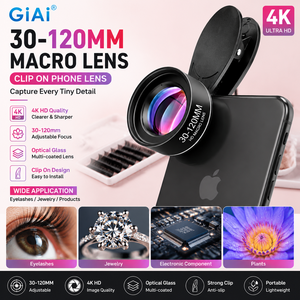
GIAI Clip-on 4K HD Macro Lens (30-120mm)
Precision multi-coated optical glass designed for close-range mobile inspection, eyelash extension verification, and high-detail jewelry micro-photography.
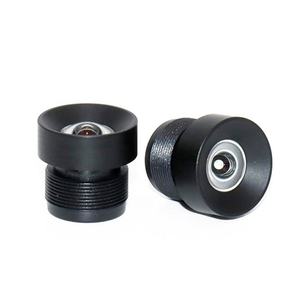
2MP Smart Home Lens 2.96mm F2.4 M12
Ultra-low distortion wide-angle M12 lens custom-engineered for indoor IoT monitoring, AI edge vision nodes, and smart home security systems.
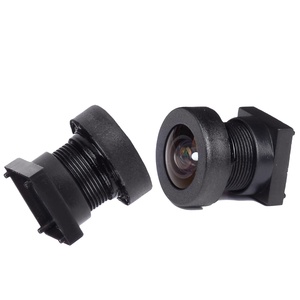
M7 Home Smart Camera Lens (90°-100° HFOV)
Compact M7 mount optical assembly optimized for 1/6" SC035HGS sensors. Features fast F2.0 aperture and strict <1.0% optical distortion for crisp indoor tracking.
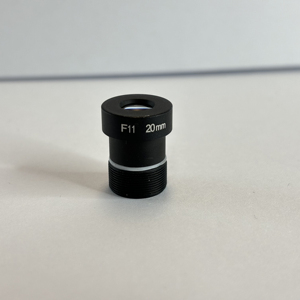
Medical-Grade Smart Lens 20mm EFL F11
High-precision S-Mount/M12 diagnostic optical lens with integrated IR-cut filter, calibrated for 2/3" sensors and specialized laboratory clinical imaging.
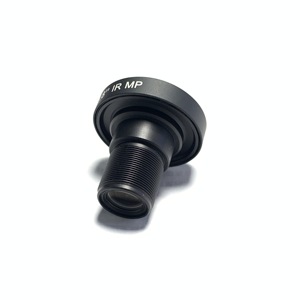
SL-0050 Smart Security Lens 2.95mm F2.8
4K UHD fixed-iris optical assembly with M12x0.5 thread. Engineered for large 1/1.8" formats to deliver high spatial resolution in low-light security nodes.
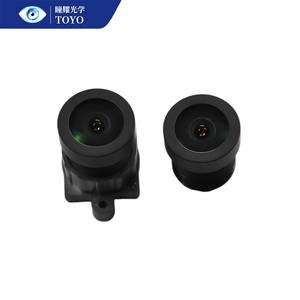
Wide Angle 120° Smart Home Lens 2MP
Cost-effective wide-field lens for 1/4" image sensors. Optimized for battery-powered video doorbells, smart appliances, and compact visual sensors.
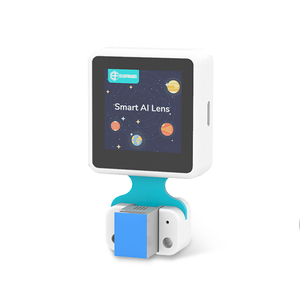
ELECFREAKS Smart AI Lens Vision Kit
Plug-and-play machine vision module with integrated neural processing for color tracking, ball recognition, face identification, and autonomous edge robotics.
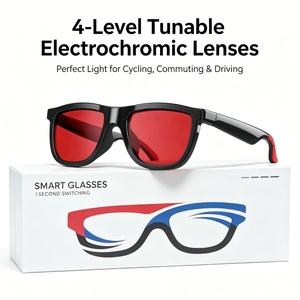
Smart Glasses with Electrochromic Lenses
Advanced wearable glasses featuring dynamic light-tint adjustment, voice/touch AI activation, real-time audio translation, and lightweight plastic-titanium frames.
The Paradigm Shift in Smart Optical Lens Manufacturing
An in-depth evaluation of high-precision micro-optics, edge AI vision integration, electrochromic smart glass, and strategic global supplier selection.
Demanding Precision for Next-Generation Visual AI
Modern machine vision systems and smart wearable electronics no longer treat optical lenses as passive light collection devices. In the era of edge computing, smart home automation, medical diagnostics, and spatial computing, the optical lens serves as the vital front-end sensor interface that dictates signal-to-noise ratios and AI inference accuracy.
Leading optical optical suppliers must engineer lens elements capable of mitigating chromatic aberration, minimizing geometric distortion below 1.0%, and maintaining Modulation Transfer Function (MTF) sharpness across fluctuating thermal environments (-20°C to +75°C).
Technical Insight: High-resolution sensors (such as 4K 1/1.8" and 1/6" low-light IoT image sensors) require matched lens resolution exceeding 200 line pairs per millimeter (lp/mm) to prevent optical bottlenecking during automated feature extraction.
Convergence of Electrochromic Materials & Wearable AI
The rapid growth of smart spectacles and assistive AI wearables—such as hands-free vision systems for low-vision navigation, real-time language translation eyewear, and industrial AR head-mounted displays—has driven massive demand for electrochromic optical glass.
Unlike traditional static tint lenses, electrochromic smart lenses dynamically adapt their light transmittance upon receiving low-voltage electric impulses. When integrated with ambient light sensors and AI logic, these smart lenses adjust contrast in milliseconds, ensuring clear optical vision whether the user is inside a dim office or navigating bright sunlight outdoor environments.
Why Partner With Our Optical Manufacturing Network
End-to-end OEM/ODM capabilities from optical design simulation (Zemax/Code V) to high-precision glass molding and automated cleanroom assembly.
Sub-Nanometer Polishing & AR Coating
Utilizing multi-layer anti-reflective (AR) broadband coatings and hydrophobic surface treatments to achieve light transmittance above 98.5% across visible and near-infrared (NIR) spectra.
Strict MTF Bench Validation
Every batch of M7, M12, S-Mount, and diagnostic medical lenses undergoes 100% automated optical bench inspection for Modulation Transfer Function, optical tilt, and focal drift.
Custom Mechanical & Threaded Housing
Offering precision CNC metal barrels (M12x0.5, M7x0.35, S-Mount) and lightweight titanium/plastic alloy frame integrations for specialized medical and consumer smart glasses.
Medical-Grade & ISO Certification
Our manufacturing sites operate under ISO 9001 and ISO 13485 quality standards, ensuring full traceability and zero-defect compliance for clinical diagnostic imaging products.
Rapid OEM Prototype Engineering
Accelerated NRE design cycles with Zemax optical modeling, 3D rapid prototyping, and custom optical glass sample delivery within 15 to 21 working days for qualified enterprise inquiries.
Global Supply Chain Reliability
Exporting to over 50 countries with robust logistics management, tariff compliance, automated protective tray packaging, and localized technical after-sales support.
Future Sourcing & Technology Trends (2025–2030)
Key architectural transformations shaping how B2B buyers and system integrators select smart optical suppliers.
1. Edge-AI Optimized Optical Designs
As micro neural processing units (NPUs) move directly into camera modules, optical suppliers are optimizing lenses specifically for machine vision algorithms rather than human visual aesthetics. Lenses prioritized for edge AI favor spatial resolution, high contrast, and uniform luminance distribution across edge pixels to elevate object detection accuracy.
2. Miniaturization via Aspheric & Hybrid Molded Optics
The demand for ultra-compact smart home devices and sleek assistive glasses is pushing lens mounts from standard M12 down to M7 and miniature custom form factors. Supplier investment in glass-plastic hybrid optics (G+P) allows high optical performance while reducing barrel depth and weight by up to 40%.
3. Dynamic Electrochromic & Waveguide Integration
Future smart eyewear procurement will heavily favor suppliers capable of integrating electrochromic tint control with optical waveguides. Combining active light filtering with augmented reality displays prevents display washout in bright environments while preserving user comfort during prolonged usage.
Smart Lens Technical Specifications Comparison
Direct comparison of key optical parameters across primary product series for system architects and procurement teams.
| Lens Category | Focal Length / Field of View | Sensor Format Compatibility | Optical Distortion | Key Application Target |
|---|---|---|---|---|
| 4K HD Macro Series | 30mm – 120mm Focus Range | Universal Mobile / Custom Sensor | < 0.3% | Macro Inspection, Micro-Photography |
| Low-Distortion IoT Series | 2.96mm EFL / 90° - 100° HFOV | 1/6" to 1/4" CMOS Sensors | < 1.0% | Smart Home Security, AI Edge Nodes |
| 4K UHD Security Series | 2.95mm EFL / F2.8 Fixed Iris | 1/1.8" Large Sensors | < 1.8% | Low-Light IP Cameras, Industrial CCTV |
| Medical Diagnostic Series | 20mm EFL / F11 Fixed Iris | 2/3" Sensor with IR-Cut Filter | < 0.2% | Clinical Imaging, Diagnostic Lab Equipment |
| Electrochromic Smart Eyewear | Dynamic Variable Tint Lenses | Wearable Micro-Camera Array | Zero Distortion (Plano) | Assistive AI Glasses, Dynamic Sunglasses |
Frequently Asked Questions for B2B Procurement
Addressing common technical inquiries regarding custom tooling, lead times, optical testing, and bulk exporter support.
Ready to Upgrade Your Optical Systems?
Connect with our technical sales team for custom optical design support, datasheet downloads, sample requests, and wholesale enterprise pricing.
Inquire Now