
Sprhava AI-Powered Vision
Standardized, CE-compliant wearable vision aids engineered for real-time translation, text recognition, scene description, and obstacle mitigation.
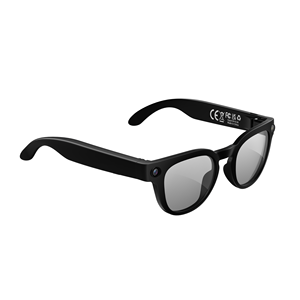

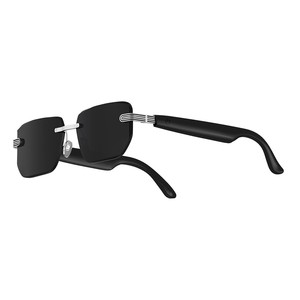
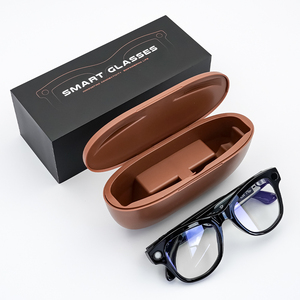
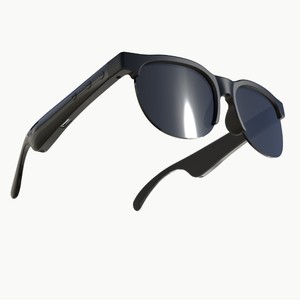
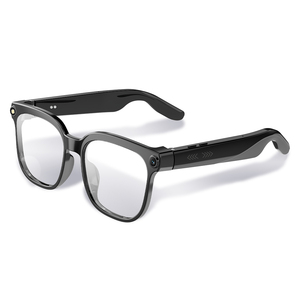
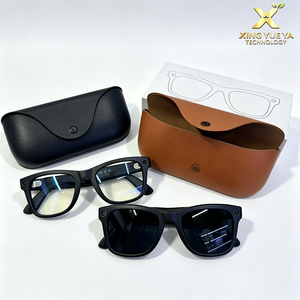
The global shift toward wearable artificial intelligence has unlocked unprecedented independence for the blind, low-vision, and visually impaired demographics. As a transcontinental metropolis connecting Europe and Asia, Istanbul serves as the premier hub for medical technology procurement, assistive device distribution, and clinical optical innovation across Turkey, the Balkans, and the Middle East.
Local municipal authorities, Turkish rehabilitation clinics, and private accessibility distributors are increasingly seeking original equipment manufacturers (OEM) and suppliers capable of delivering CE-certified, ultra-lightweight, edge-computed vision assist devices. Operating in Istanbul presents unique environmental and regulatory challenges—from navigating dense, historic, high-cobblestone urban spaces like Eminönü and Beyoğlu to maintaining real-time offline optical character recognition (OCR) for Turkish signage and menus.
Conventional consumer smart glasses often fail in low-vision assistive scenarios due to excessive frame weight (causing facial fatigue), poor thermal dissipation, high latency in scene narrative synthesis, and dependence on constant high-bandwidth 5G connectivity. To deliver genuine value to visually impaired end-users in Istanbul, our wearable hardware architecture integrates on-device neural processing units (NPU), open-ear directional audio transducers, and wide-angle optical sensors calibrated for rapid illumination shifts.
Designed through multi-year clinical collaboration and feedback loops with orientation and mobility specialists.
Balanced mass distribution across the temple arms prevents nasal ridge pressure, allowing continuous 12-hour comfortable wear for low-vision individuals during everyday routines.
Dual directional micro-speakers beam synthesized text and obstacle alerts directly into the auditory canal without blocking ambient environmental awareness or traffic sounds.
Embedded computer vision networks segment scene text, banknotes, and high-frequency obstacles locally without requiring active cellular data in dense underground transit systems like the Istanbul Metrobüs.
Quantifiable engineering performance built into our CE-certified optical manufacturing lines.
Assistive technology must adapt to the daily reality of its environment. Istanbul represents one of the world's most dynamic and visually complex urban corridors. The deployment of our AI-driven accessibility wearables addresses distinct local challenges faced by visually impaired Turkish citizens and international visitors alike:
Transiting between the European and Asian sides of Istanbul via the Marmaray underground rail or the high-capacity Metrobüs lines requires continuous spatial orientation. Our wearables provide sub-second auditory feedback when detecting platform edges, stairwells, overhead directional signage, and crowd densities. Open-ear audio ensures passengers never miss verbal station announcements over the public address system while receiving discreet, personalized turn-by-turn guidance.
In bustling trading centers such as the Grand Bazaar (Kapalıçarşı) or Kadıköy Fish Market, ambient light changes rapidly and typography on price tags, shop names, and product labels varies significantly. The high-dynamic-range (HDR) 8MP optical sensors integrated into our MT3 and GS5 MAX series capture text in variable lighting conditions, converting printed Turkish scripts, handwritten price cards, and nutritional labels into clear, natural voice output.
As Turkey hosts millions of international tourists, medical travelers, and trade delegates annually, low-vision users frequently encounter multi-lingual environments. Our professional translation frames seamlessly bridge communication gaps by recognizing and translating over 164 languages in real time, serving as both an accessibility aid and a cross-cultural communication conduit.
For B2B importers, medical device vendors, and government accessibility procurement agencies in Turkey, regulatory compliance is non-negotiable. Importing visual assistive technologies into the Turkish customs zone requires strict adherence to European Union harmonize standards, as enforced by the Turkish Ministry of Health and the Ministry of Trade.
All AI-driven smart glasses supplied by our factory carry full CE Certification covering essential health, safety, and environmental protection directives:
| EU Directives / Standard | Technical Scope & Purpose | Relevance for Turkish Importers |
|---|---|---|
| RED 2014/53/EU | Radio Equipment Directive governing Bluetooth 5.3 & Wi-Fi emissions | Mandatory for Turkish Bilgi Teknolojileri ve İletişim Kurumu (BTK) approval. |
| EMC Directive 2014/30/EU | Electromagnetic Compatibility preventing RF interference with medical equipment | Essential for clinical trials and hospital-adjacent deployment in Turkey. |
| LVD 2014/35/EU | Low Voltage Directive ensuring safe lithium-polymer battery charging mechanics | Prevents thermal runaway during high-speed charging in warm climates. |
| RoHS 2011/65/EU | Restriction of Hazardous Substances in optical and electronic sub-assemblies | Ensures eco-friendly disposal and non-toxic skin contact compliance. |
Under Turkish Law No. 5378 on Persons with Disabilities, public buildings, educational institutions, and public transit operators across municipal jurisdictions (such as the Istanbul Metropolitan Municipality - İBB) are mandated to continuously improve physical and digital accessibility. B2B procurement of wearable assistive technologies is increasingly integrated into municipal disability action plans, social security reimbursement frameworks (SGK), and university accessibility initiatives.
As a specialized manufacturer and global supplier of AI-driven accessibility wearables, Sprhava offers robust enterprise-grade advantages to business partners in Istanbul and across the wider region:
We provide full-stack OEM and ODM customization services for low-vision clinics, medical technology brands, and regional optical distributors. Our engineering capabilities include custom frame design, custom firmware flashing, branding integration, localized voice packs (including regional accent tuning for Turkish audio synthesized output), and bespoke packaging for B2B channels.
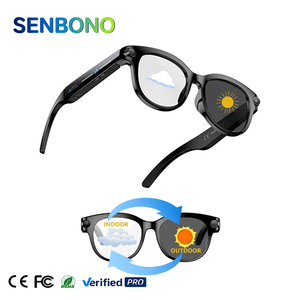
Low-vision conditions—such as Age-Related Macular Degeneration (AMD), Glaucoma, Diabetic Retinopathy, and Retinitis Pigmentosa—require diverse optical correctives. Our smart frames are designed to accommodate custom prescription lenses, photochromic light-filtering lenses, and clip-on visual modules, allowing end users to preserve their prescribed optical corrections while leveraging advanced edge AI vision assistance.
Operating out of state-of-the-art ISO 13485-certified manufacturing facilities, every pair of smart spectacles undergoes strict quality checks: 100% optical sensor calibration, drop testing, waterproof ingress verification (IPX5), and acoustic frequency response tuning before international shipment to the Istanbul port or air cargo hubs.
Key regulatory, logistical, and operational answers for B2B buyers and medical equipment distributors in Turkey.
Partner with a leading CE-certified factory to deliver advanced AI-driven smart glasses to the Istanbul market and surrounding regions. Contact our B2B sales team for factory-direct pricing, OEM specifications, and sample requests.
Send an Inquiry