
Sprhava AI-Powered Vision
Precision-engineered optical wearables equipped with micro-vibration haptic motors, bone-conduction spatial audio, high-resolution cameras, and low-latency edge AI chips optimized for visual impairment & industrial hands-free applications.

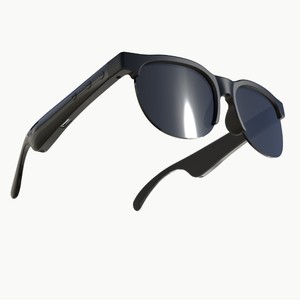
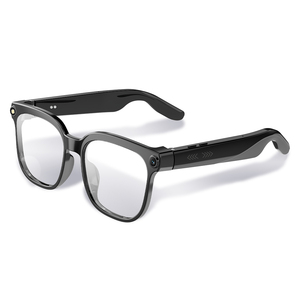
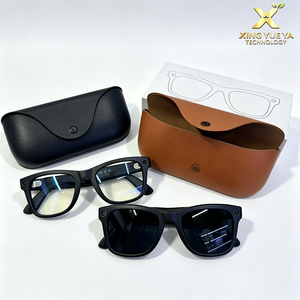
An in-depth technical analysis on how micro-haptic spatial cues, computer vision, and specialized local procurement structures are empowering visually impaired populations and enterprise field operators across Kenya.
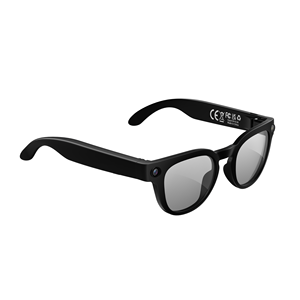
Unlike standard Smart Glasses that rely exclusively on visual HUDs or auditory alerts, tactile feedback smart spectacles integrate miniaturized Linear Resonant Actuators (LRAs) directly into the eyewear frame temples. These micro-vibration engines operate at frequencies ranging from 150 Hz to 280 Hz—the precise sensitivity sweet spot for human cranial bone perception.
When integrated with Time-of-Flight (ToF) sensors or AI-driven edge vision engines, the glasses translate spatial spatial hazards into localized haptic pulses. A left-temple pulse alerts the wearer to an oncoming lateral obstacle; a synchronized pulse across both temples signals immediate elevation changes, such as open drainage curbs or sudden steps common in fast-developing urban centers like Nairobi.
In many regions across East Africa, network connectivity varies between 5G urban centers and low-bandwidth rural surroundings. To guarantee uninterrupted mobility safety, our manufacturing framework prioritizes Edge-First Neural Processing.
Core navigation functions—including kerb detection, low-hanging tree branch identification, facial profile recognition, and printed text-to-speech (OCR)—run directly on an integrated low-power NPU (Neural Processing Unit). This ensures that tactile feedback triggers within less than 18 milliseconds, maintaining full operational autonomy even without active internet access.
Prepared for institutional buyers, NGOs, low-vision rehabilitation centers, and electronics importers in Kenya evaluating procurement contracts.
| Feature / Parameter | Enterprise Tactile Smart Spectacles | Consumer Audio Smart Glasses | Visual AR Smart Eyewear |
|---|---|---|---|
| Primary Alert Mechanism | Dual LRA Micro-Haptic Pulse + Open-Ear Audio | Directional Speakers Only | Micro-OLED Visual Display |
| Tactile Latency | Sub-18 milliseconds (Edge AI) | N/A (No Tactile Feedback) | N/A |
| Low-Vision Utility | Exceptional (Hands-free, non-visual navigation) | Low (Audio calls & music only) | Poor (Requires strong visual acuity) |
| Tropical Thermal Tolerance | -10°C to +55°C (Passive Aluminum Cooling) | 0°C to +40°C | Overheats under high ambient solar flux |
| Localized Swahili Speech Engine | Native Offline Voice & Haptic Lexicon | Requires Smartphone App Cloud Sync | Rarely Supported |
| KEBS & ISO Compliance | ISO 13485 Medical & RoHS Certified | Standard Consumer Electronics (CE/FCC) | Consumer Electronics (CE/FCC) |
Understanding the unique operational environments—from the high-density infrastructure of Nairobi to industrial shipping corridors in Mombasa—where tactile smart spectacles deliver life-changing independence and workforce efficiency.
Navigating crowded sidewalks in Nairobi CBD, Westlands, or Matatu terminals presents complex spatial hazards such as open construction zones, elevated curbs, and dense foot traffic. Tactile spectacles provide unobtrusive micro-vibrations on the frame, guiding visually impaired pedestrians past obstacles without blocking environmental sound cues required for safe street crossings.
In high-noise industrial facilities such as the Kilindini Harbor terminals in Mombasa or inland container depots, acoustic warnings are easily drowned out by heavy machinery. Industrial field technicians wearing tactile feedback smart spectacles receive instant silent haptic pulses on their temples whenever dangerous machinery or overhead cranes enter their proximity vector.
Partnering with institutions like the Kenya Society for the Blind (KSB) and vocational training colleges, our spectacles enable students to read printedSwahili and English textbooks via direct text-to-speech conversion while receiving tactile orientation cues during classroom and campus navigation.
Kenya serves as the primary technology hub and logistics gateway for East and Central Africa (EAC). Current macro trends show a rapid transition toward digital accessibility compliance, supported by national initiatives like the Kenya National Digital Superhighway Blueprint and expanding tax incentive frameworks for disability-assistive hardware under the National Council for Persons with Disabilities (NCPWD).
Key procurement factors shaping the Kenyan market include:
As a global pioneer in AI vision aids and tactile smart spectacles, our manufacturing facilities provide end-to-end custom production for B2B distributors, medical technology brands, and institutional procurement projects in Kenya.
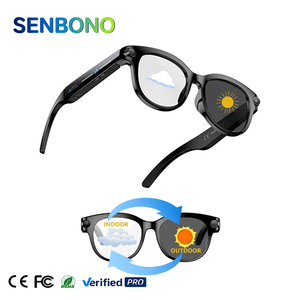
We offer full OEM customization including prescription vision correction lenses (myopia, hyperopia, astigmatism), specialized blue-light filtering, and photochromic optical coatings tailored for African sunlight conditions.
Our production line operates under strict ISO 9001 and ISO 13485 medical device quality management systems. Every unit undergoes rigorous drop tests, thermal endurance evaluations, and 100% haptic actuator calibration before export.
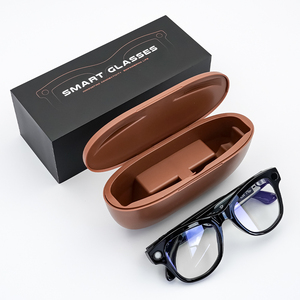
We provide custom firmware loading options including dual Swahili-English voice engines, customizable tactile pulse intensity levels, and branded packaging designed for government or NGO distribution programs.
Clear, transparent answers regarding distribution, technical capabilities, shipping logistics, and custom orders in Kenya and East Africa.
Whether you are a medical equipment distributor in Nairobi, an assistive technology NGO, or a regional electronics retailer in East Africa, contact our engineering sales team today to request sample units, B2B wholesale pricing, and technical datasheets.
Send an Inquiry