
Sprhava AI-Powered Vision
High-performance visual assistive devices engineered for text-to-speech reading, real-time object recognition, multilingual translation, and hands-free mobility support.
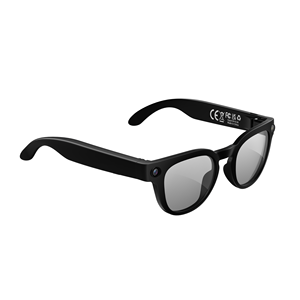
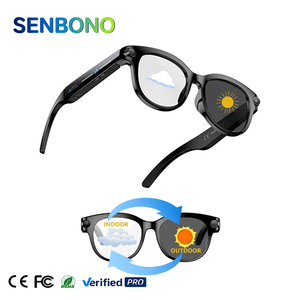

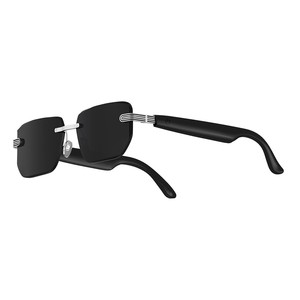
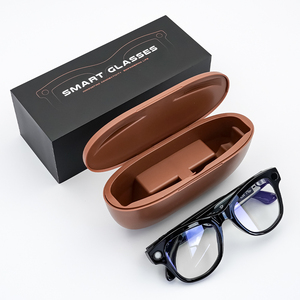
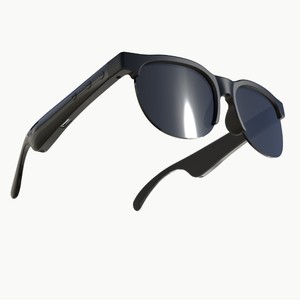
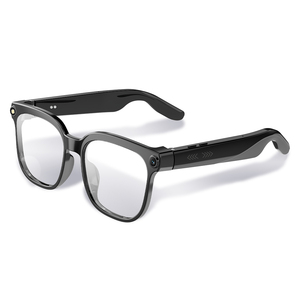
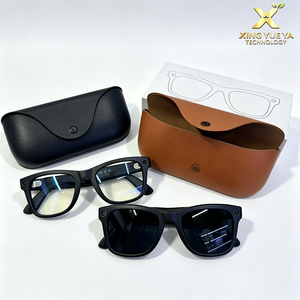
The Special Capital Region of Jakarta (DKI Jakarta) and the broader Jabodetabek metropolitan area represent the largest regional market in Southeast Asia for advanced visual assistive technology, medical optical readers, and wearable artificial intelligence devices. Driven by major public transport modernization programs (such as TransJakarta busways, MRT Jakarta, and LRT Jabodebek) and expanding healthcare infrastructure under the Indonesian Ministry of Health (Kemenkes RI), municipal and institutional procurement teams are actively seeking high-reliability vision reader solutions.
Vision readers—wearable smart spectacles equipped with high-resolution micro-cameras, edge optical character recognition (OCR) engines, and natural speech synthesis—are rapidly transforming low-vision care and independent mobility. For procurement officers, clinical directors, disability welfare foundations, and commercial importers in Jakarta, sourcing from top-tier original equipment manufacturers (OEMs) and certified international exporters requires evaluating critical factors: local language natural language processing (NLP), hardware durability under tropical equatorial humidity, compliance with Indonesian telecommunications standard (SDPPI), and seamless cross-border supply chain logistics via Tanjung Priok Port.
Deploying smart optical vision readers requires adjusting technology configurations to fit the distinct municipal, clinical, and environmental landscapes of Jakarta. Below are the primary enterprise deployment domains:
Integration with MRT Jakarta, LRT, and TransJakarta hubs. Vision readers scan wayfinding signs, gate information, and platform indicators, converting visual cues to instant spoken Bahasa Indonesia guidance.
Clinical deployment in visual rehabilitation centers (e.g., RSCM Kirana, Jakarta Eye Center). Aids patients suffering from Age-related Macular Degeneration (AMD), Glaucoma, and Diabetic Retinopathy.
Deployment across educational institutions like Universitas Indonesia (UI) and public libraries. Instant OCR reading of printed textbooks, examination papers, handwritten notes, and digital screens.
Supporting disability inclusion in government ministries and corporate offices. Enables visually impaired professionals to process mail, verify identity documents, and read meeting presentations independently.
When selecting a Vision Reader supplier or exporter for Jakarta, enterprise buyers must look beyond consumer marketing specs and scrutinize hardware resilience, chip architecture, local firmware customization, and post-sales maintenance SLA (Service Level Agreements).
| Evaluation Parameter | Standard Consumer Glasses | Enterprise AI Vision Reader (Sprhava / OEM Benchmark) | Impact on Jakarta Buyers |
|---|---|---|---|
| On-Device Vision Inference | Requires persistent smartphone cloud connection | Edge-first neural chip processing (offline OCR & Depth) | Operates seamlessly inside Jakarta basements, elevators, and transit tunnels without cellular network connection. |
| Bahasa Indonesia Speech Engine | Generic translation with robot-like pitch | Localized neural TTS with Jakarta dialect awareness | Delivers natural-sounding speech output with accurate context recognition for regional medical and municipal terms. |
| Optical Glare & UV Adaptation | Fixed clear plastic lenses | Photochromic UV400 lenses with anti-reflective coating | Protects low-vision eyes against extreme midday solar radiation in Jakarta while auto-clearing indoors. |
| Water & Dust Ingress Protection | Unrated (sensitive to sweat & humidity) | IPX5 to IPX7 certified hydrophobic frame sealing | Prevents internal circuit corrosion caused by Jakarta's high relative humidity (75%–90%) and sudden tropical monsoons. |
| Regulatory Compliance | Uncertified consumer export | SDPPI certified radio + BPOM medical device support | Ensures smooth customs clearance at Tanjung Priok Port without risk of shipment seizure or legal hold. |
The Indonesian market for assistive wearables is undergoing a significant transformation. Key macroeconomic and regulatory trends shaping B2B procurement include:
A. SDPPI Telecommunication Certification: All smart spectacles containing Bluetooth, Wi-Fi, or cellular modules must undergo radio frequency testing by the Directorate General of Resources and Equipment for Post and Information Technology (SDPPI Indonesia). Premier exporters provide pre-tested modules to streamline local approval.
B. TKDN (Domestic Content Level) Considerations: For state-owned enterprise (BUMN) and government ministry tenders, products with local assembly capabilities or certified Indonesian software language packs receive preferential scoring under domestic procurement mandates.
C. Adaptation to Tropical Climate Conditions: Thermal throttling is a common failure point for low-cost smart glasses operating in Jakarta's ambient temperatures (30°C–35°C). Industrial-grade suppliers utilize magnesium-aluminum heat-dissipating chassis and split-battery temple designs to maintain continuous operation without overheating.
As a leading international designer and exporter of AI-powered spectacles and visual assistive technologies, Sprhava offers comprehensive support tailored to B2B distributors, healthcare networks, and corporate buyers in Indonesia.
Pre-installed Bahasa Indonesia neural text-to-speech engine, localized prompt commands, and customized voice speed configurations for clinical visual rehabilitation programs.
Flexible branding options including custom frame etching, localized user manuals, branded charging cases, and custom box packaging compliant with Indonesian labeling laws.
On-device frame processing with zero cloud data storage by default. Full compliance with international medical data privacy standards and local data sovereignty requirements.
Complete export documentation including Certificate of Origin (Form E/COO), HS Code classification, MSDS battery safety reports, and expedited air/sea freight routing to Jakarta.
Imports through Tanjung Priok Port or Soekarno-Hatta International Airport require an Indonesian Import Identification Number (API-U/API-P), Commercial Invoice, Packing List, Bill of Lading, and SDPPI type approval for radio frequency components. Assistive devices imported for non-profit foundations or medical institutions may qualify for duty exemption under specific Ministry of Finance regulations.
Yes. Our flagship vision readers feature dual-engine speech processing. Offline core OCR handles standard Latin text instantly, while our cloud-enhanced NLP model accurately interprets complex Indonesian sentence structures, medical bottle labels, utility bills, and printed news articles with contextual grammar understanding.
Absolutely. Our spectacles feature detachable lens rim architectures compatible with standard optical machinery. Local optical chains in Jakarta (such as Optik Melawai, Optik Seis, or Optik Tunggal) can easily cut and fit prescription single-vision, bifocal, or high-index contrast lenses into the frame.
Our devices utilize directional micro-acoustic drivers focused directly toward the user’s ear canal, combined with dynamic volume scaling based on ambient decibel levels. This allows the user to hear crisp audio prompts while waiting at busy intersections without covering their ears or losing spatial traffic awareness.
We offer flexible tier-1 wholesale evaluation packages starting at 10 units for clinical trials, with OEM white-label production scaling up to 10,000+ units. All enterprise shipments include a 12-month comprehensive international hardware warranty, spare component kits, and direct engineering technical support.
Connect directly with our senior assistive technology growth team to request technical datasheets, sample units, OEM price schedules, and SDPPI compliance documentation.
Contact Us